
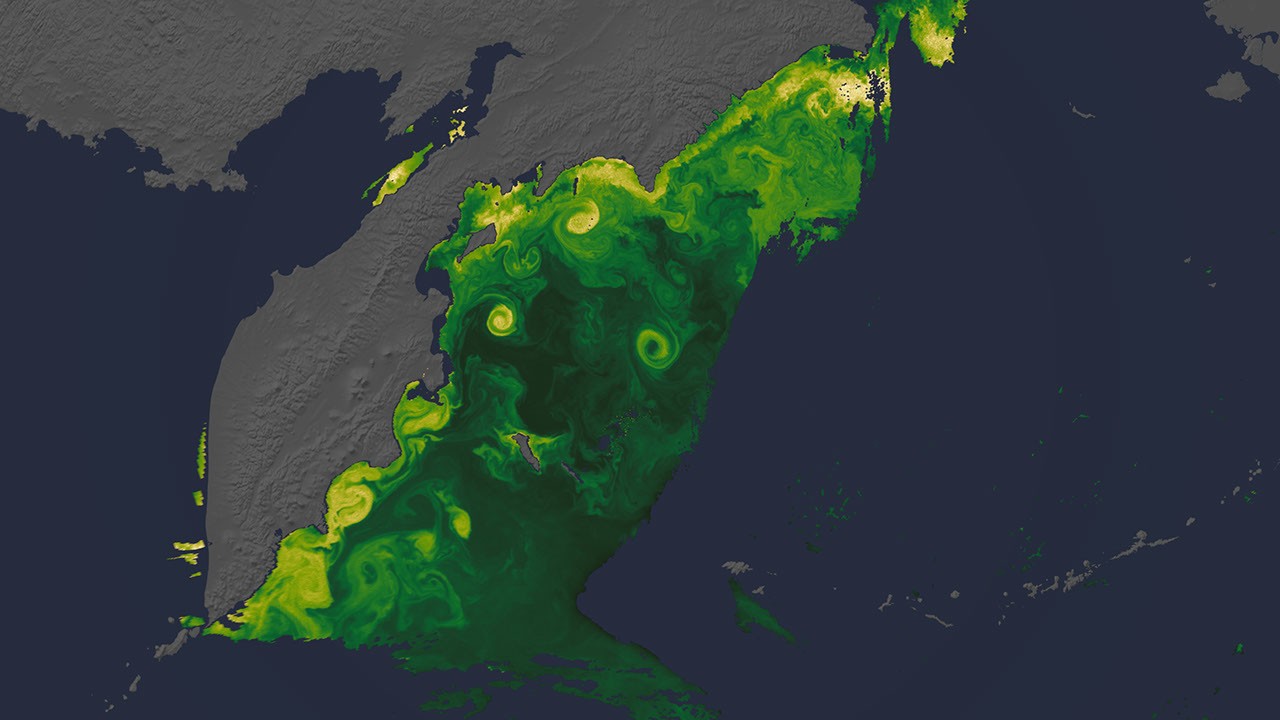
NASA Releases New Earth Views from Artemis II Mission: Phytoplankton Blooms and Auroras Captured
Summary: On April 21, 2026, NASA released a collection of Earth images captured during the Artemis II mission's lunar flyby, offering unique perspectives of our planet from lunar orbit. The images, captured by NASA's fleet of Earth-observing satellites working in concert, showcase phytoplankton blooms off the Kamchatka Peninsula, auroras, and dynamic atmospheric phenomena, providing unprecedented research material for scientists.
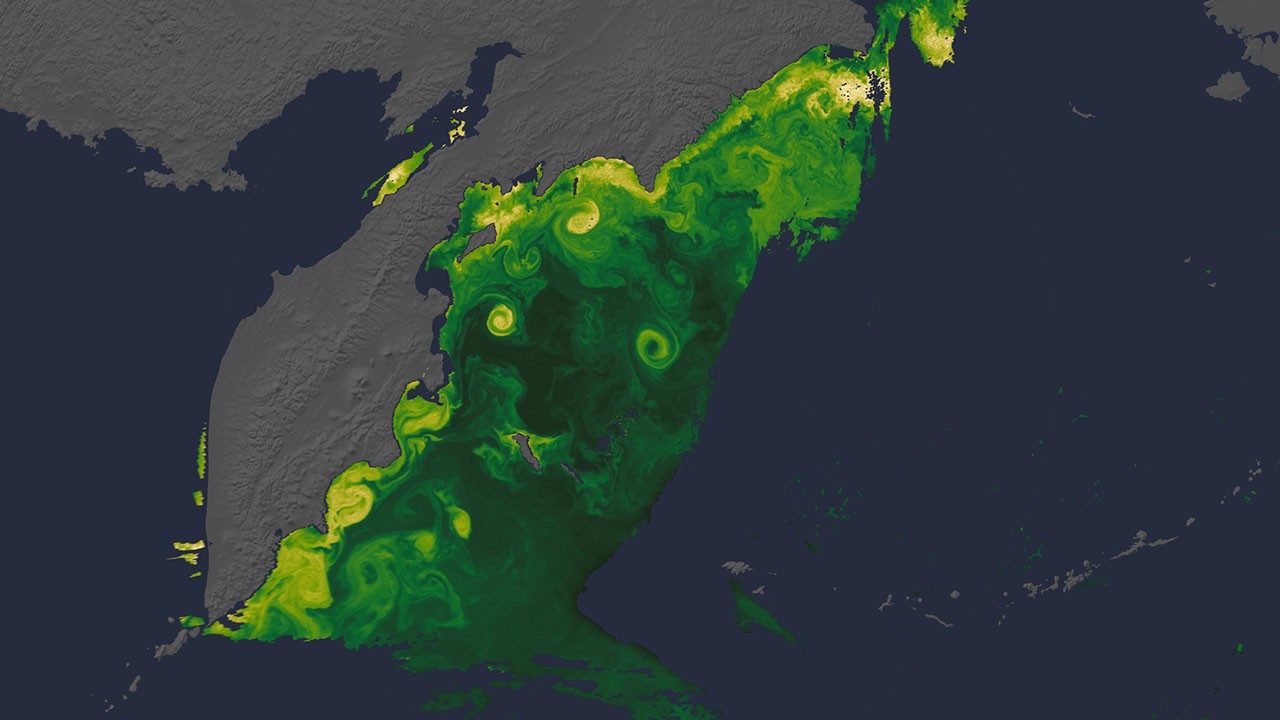 Credit: NASA (Public Domain)
Image Content
The released Earth imagery primarily includes:
- Phytoplankton Blooms: Spring-time massive proliferation of phytoplankton along the Kamchatka Peninsula coastline, a phenomenon that plays a crucial role in ocean ecosystems, aiding carbon transfer and supporting marine food chains
- Aurora Images: Stunning views of Earth's auroras captured from a space-based perspective, illustrating the interaction between Earth's magnetic field and the solar wind
- Atmospheric Dynamics: Global-scale imagery of clouds and atmospheric phenomena
Mission Background
Artemis II launched on April 1, 2026, and during its approximately 10-day lunar flyby mission, the crew not only focused on lunar exploration but also utilized onboard instruments and ground satellite systems to capture extensive Earth observation data. These images and data are being processed and released by NASA's Goddard Space Flight Center.
Scientific Value
NASA's Earth Science Division states that these images hold both tremendous aesthetic value and rich scientific research significance. By analyzing these concurrent observation data, scientists can gain deeper understanding of:
- Seasonal variations in marine ecosystems
- Aurora formation mechanisms and their relationship to solar activity
- Global energy balance of Earth's atmosphere