Summary: Five U.S. and European astronauts aboard the International Space Station moved into a SpaceX Crew Dragon on June 4 after NASA directed them to assume an elevated safety posture. The trigger: a persistent air leak in the PrK transfer tunnel, the small passage that leads to Russia's Zvezda service module, one of the oldest parts of the orbital laboratory. Cosmonauts stayed on the Russian side to lead a multi-hour repair that NASA officials describe as the most extensive effort to date on a problem that has nagged the station for years.
What Happened
NASA spokesperson Bethan Stevens said the agency acted out of "an abundance of caution." All four members of SpaceX's Crew-12 mission — NASA's Jessica Meir and Jack Hathaway, ESA astronaut Sophie Adenot, and cosmonaut Andrey Fedyaev — joined NASA astronaut Chris Williams inside Dragon. The five remained in the spacecraft while cosmonauts on the Russian segment worked to seal small cracks in the PrK transfer tunnel.
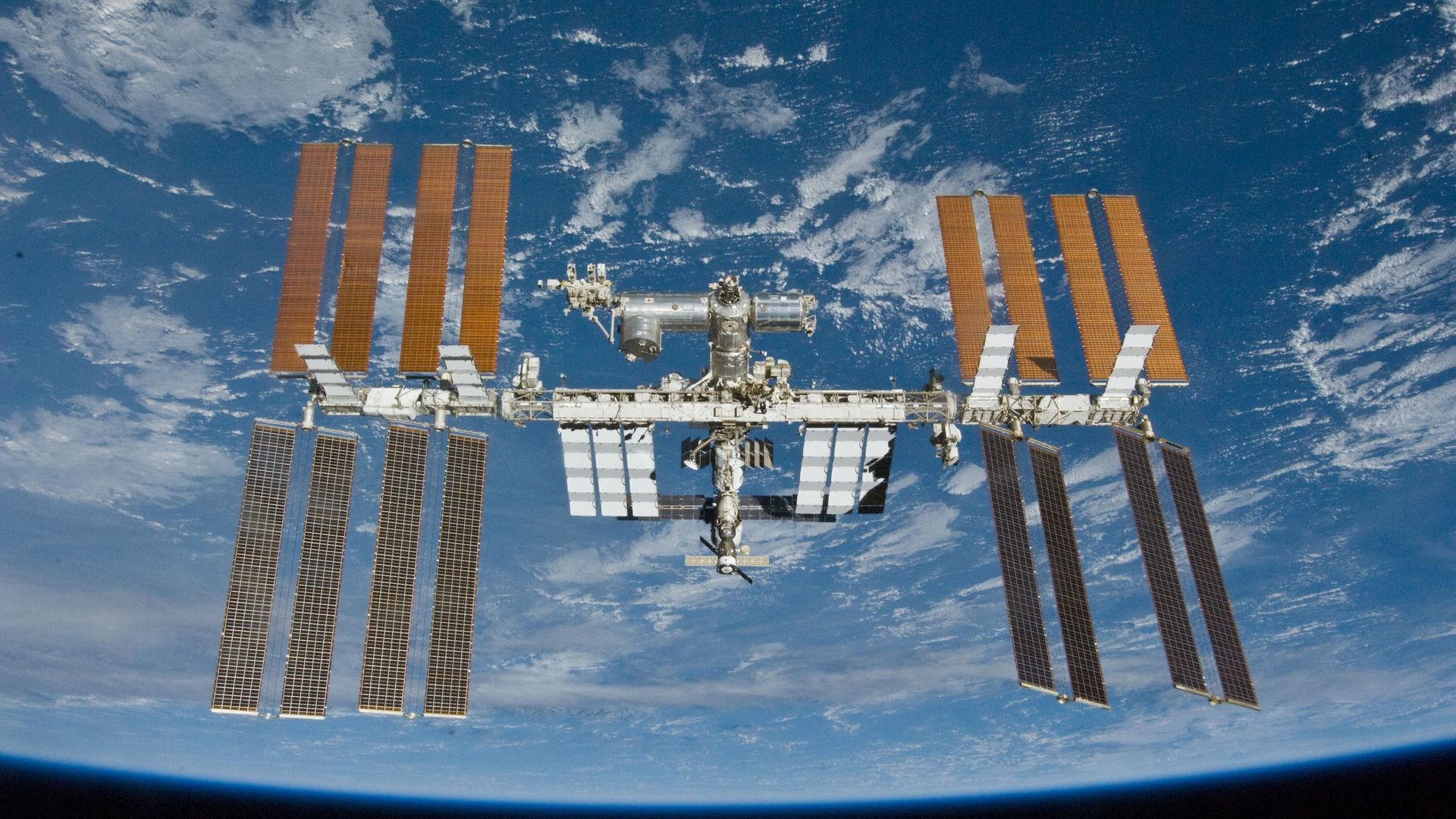
The PrK tunnel links the station's Russian segment to Zvezda, which has been in orbit since 1998 and is the oldest pressurized module still in use on the ISS. Tiny cracks in the tunnel's seals have leaked air for years; Russian and American teams have tried repeatedly to slow the rate. A few months ago the leak rate rose again, prompting what Stevens called a "more extensive repair operation."
Why It Matters
This is the first time Crew-12 has been told to leave the U.S. segment for a Russian-segment hardware issue since the four-person crew arrived at the station in mid-February for a six-month stay. The last comparable sheltering order came during the Crew-8 mission, when a Soyuz crew detected a small external coolant loop leak on Zvezda.
NASA ISS program deputy manager Dana Weigel emphasized in a June 4 briefing that Roscosmos remains in charge of the tunnel repair, with NASA providing telemetry and engineering support. The five Dragon riders will stay in the spacecraft until the team is confident the leak has slowed.
The Zvezda Stress Pattern
Zvezda has been showing its age. The module launched in 1998, entered service in July 2000, and has long exceeded its design life. Its docking ports, thermal control loops, and structural seals are all showing wear. The PrK tunnel — built to give cosmonauts a passage when Progress cargo ships dock at Zvezda's aft port — has been the main source of the current leak.
Roscosmos first flagged measurable air loss near Zvezda in 2019. The rate fluctuated, but in 2024 Russian engineers installed additional internal seals and brought the leak down to about 0.6 kilograms per day. In April 2026, the rate climbed back toward 1.4 kilograms per day, nearing NASA's tolerance threshold. The current repair is intended to push the rate back below 0.3 kilograms per day.