NASA Seeks Volunteers for New Yearlong Simulated Moon-Mars Mission
Summary: NASA on July 10, 2026 opened recruitment for research volunteers for the next yearlong CHAPEA-style simulated Moon-Mars mission, gathering crew health, behavioral, and performance data to support future Artemis deep-space expeditions.
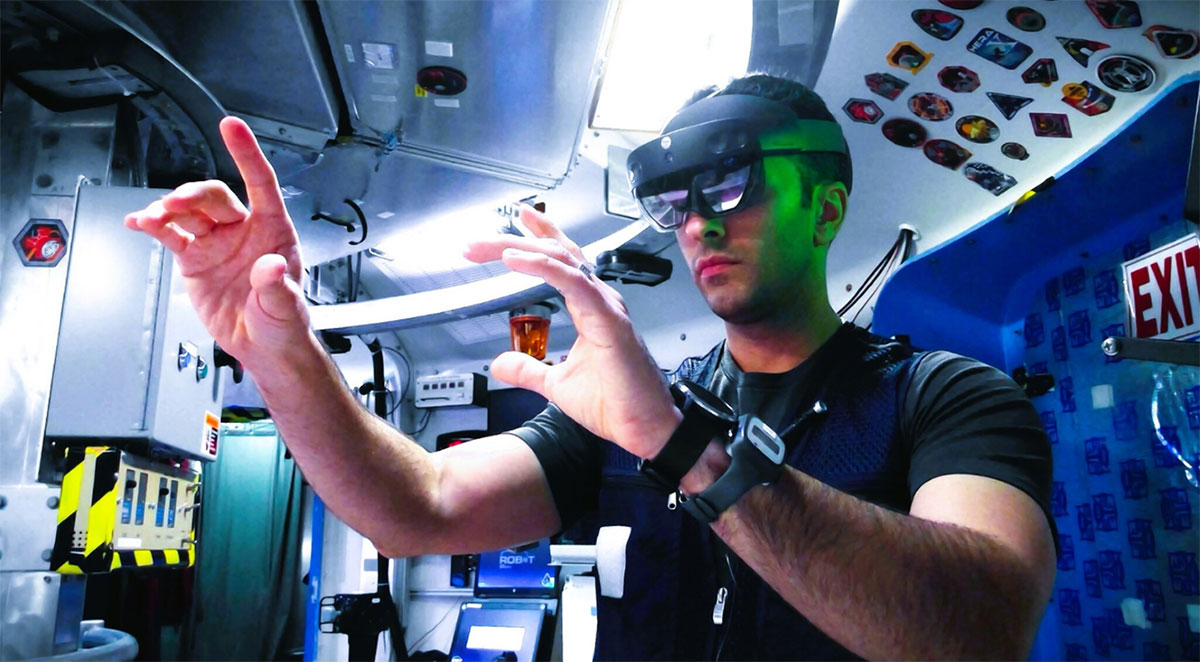
On July 10, 2026, NASA opened applications for the next yearlong ground-based analog mission of the Crew Health and Performance Exploration Analog class. Volunteers will live and work in pairs inside a closed habitat for 365 days, simulating lunar and Mars-surface conditions: extravehicular activities, robotic operations, equipment maintenance, and contingency drills, while dense physiological, cognitive, and behavioral measurements are taken throughout.
The campaign is designed to feed data into Artemis and beyond. Drawing on the lessons already made public from earlier CHAPEA runs, the agency will track immune and endocrine shifts, the impact of nutrition and exercise countermeasures, cognitive load and mood fluctuations, and the evolution of crew cohesion and conflict — building, mission by mission, the kind of long-duration human dataset that is hard to collect in flight, and using it to calibrate pharmacy payloads, radiation protocols, and scheduling rules for the years-long voyages ahead.
Applicants must be U.S. citizens or permanent residents, aged 30 to 55, in good health with no chronic conditions. STEM backgrounds such as research, engineering, medicine, and psychology are prioritized, and non-technical applicants with polar, caving, submarine, or long-duration isolation experience are also welcomed. The multi-month selection pipeline ends with several weeks of training before ingress.
According to available reporting, the new analog is targeted to begin within a year of selection, in time to support later Artemis crewed lunar surface milestones. Specific ingress dates, facility locations, and final contract values remain to be confirmed once NASA publishes the official solicitation.