What Are Ames' Contributions to Artemis II?
Summary: On April 1, 2026, NASA conducted the Artemis II crewed lunar flyby mission—the first time humans traveled to lunar orbit in over 50 years. NASA's Ames Research Center made significant contributions across multiple technical areas, including heat shield sensor development, rocket vibration analysis, and crew science training.
 Credit: NASA
Mission Overview
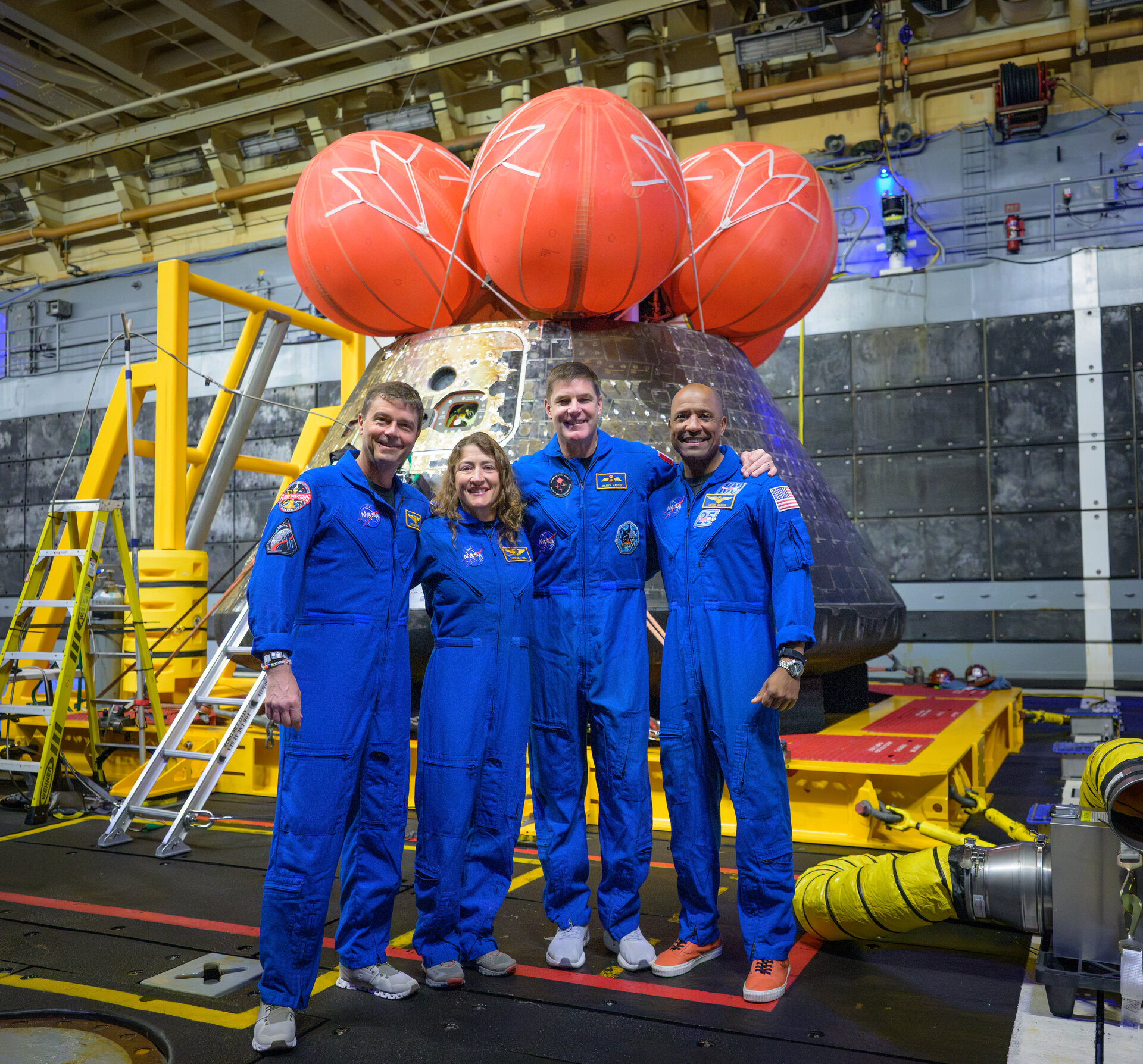
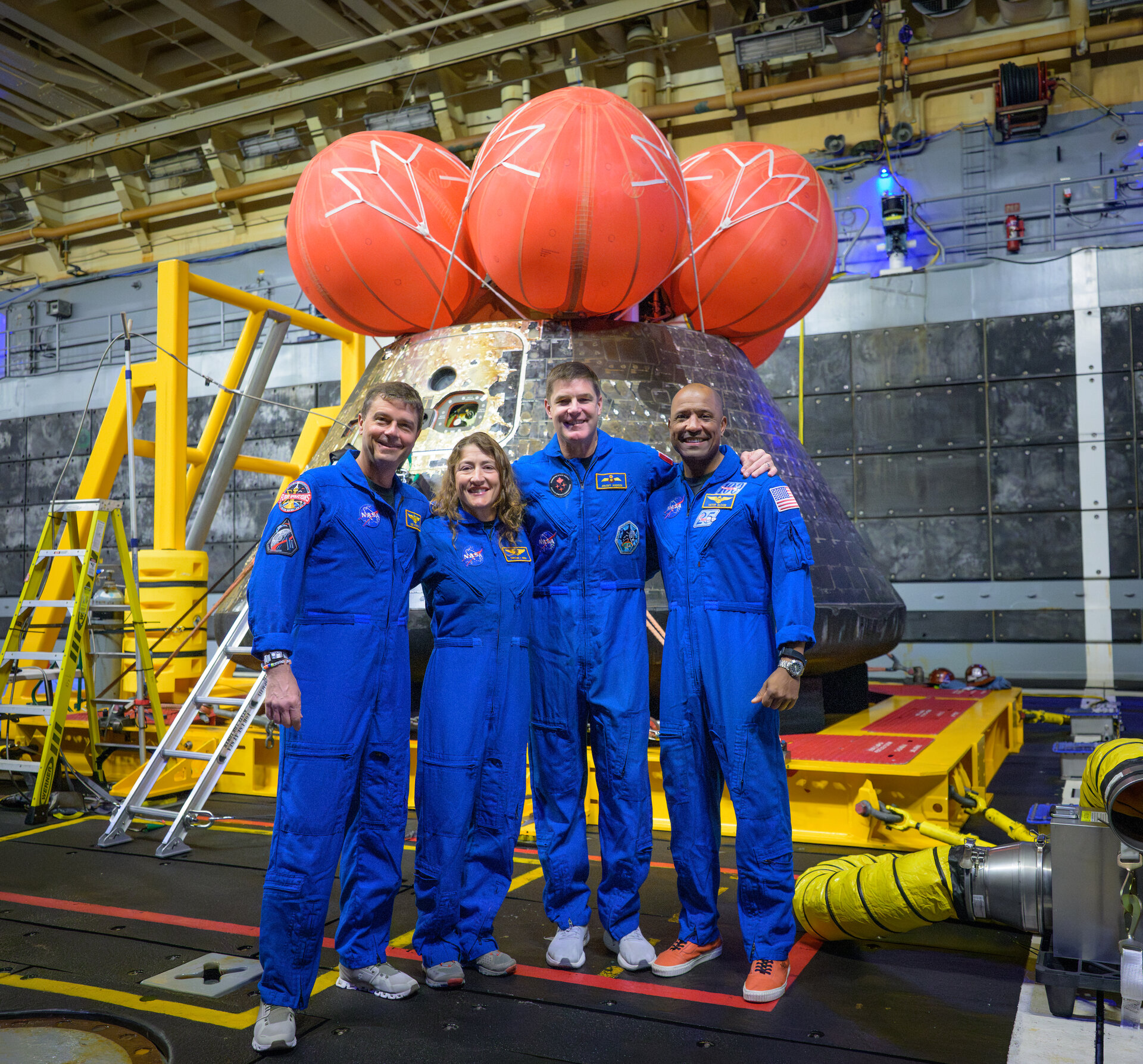
Artemis II was the first crewed test flight of NASA's Artemis program, launching on April 1, 2026. Four astronauts aboard the Orion spacecraft completed an approximately 10-day lunar flyby mission. The spacecraft splashed down safely in the Pacific Ocean on April 11, successfully achieving all mission objectives. Ames Research Center played important roles across multiple technical areas of this mission.
Heat Shield Sensor Development
During the Artemis I mission, Orion's heat shield experienced more char loss than expected, caused by internal gas buildup during reentry. Ames engineers developed a suite of sensors to provide heat shield performance data during Artemis II reentry, including temperature and pressure information. The Ames team also contributed to analysis of potential abort scenarios to ensure mission safety.
SLS Rocket Vibration Analysis
During Artemis I, the Space Launch System (SLS) rocket experienced higher-than-expected vibrations near the solid rocket booster attach points. The Ames Aerosciences team provided support in analysis and verification to help determine vibration causes and recommend improvements. The team also reviewed potential debris impacts and analyzed the impact of strengthening parts of the vehicle after larger-than-expected debris was observed during Artemis I.
Combining Wind Tunnel and Computational Testing
Ames' collaboration between wind tunnel engineers, data visualization scientists, and software developers delivered a quick, cost-effective solution that combines physical testing with computational modeling, providing critical technical verification support for the Artemis II mission.
Crew Science Training
Ames scientists were members of the Artemis II lunar science team, training the crew over several years to use their eyes—remarkably sensitive instruments—to observe, describe, and interpret lunar surface features on the far side of the Moon. Astronauts performed far-side observations during the mission, and this data will help plan future lunar exploration missions.
Mission Assurance and Software Systems
Ames' Mission and Fault Management team supported mission assurance, helping the agency anticipate and respond to potential problems by testing systems and verifying software. The Cross-Program Integrated Data Systems team at Ames developed a suite of software products to support flight readiness, risk assessment, and decision making up to the moment of launch.
Artemis II Mission Recap
Artemis II was the first time astronauts traveled to lunar orbit since Apollo 17 in December 1972. The crew made observations on the far side of the Moon that will help prepare for future lunar exploration, then began a four-day journey home. The mission successfully demonstrated the systems and hardware needed for NASA's future crewed lunar landing missions, laying the foundation for Artemis III.