
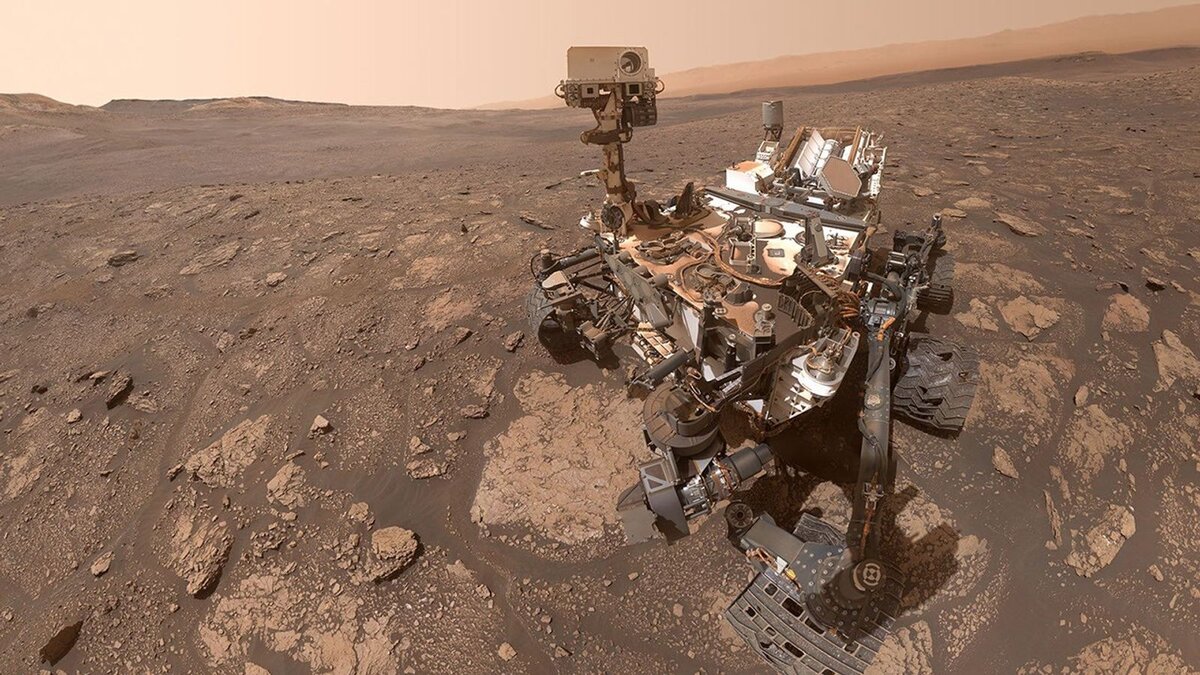
Curiosity Rover Finds Most Diverse Collection of Organic Molecules Ever Discovered on Mars
Summary: After years of extensive laboratory analysis, NASA has confirmed that a rock sample collected by the Curiosity Mars rover in 2020 contains the greatest diversity of organic molecules ever discovered on the Red Planet. Of the 21 carbon-containing molecules identified, seven were detected for the first time on Mars, including a nitrogen heterocycle considered a predecessor to RNA and DNA.
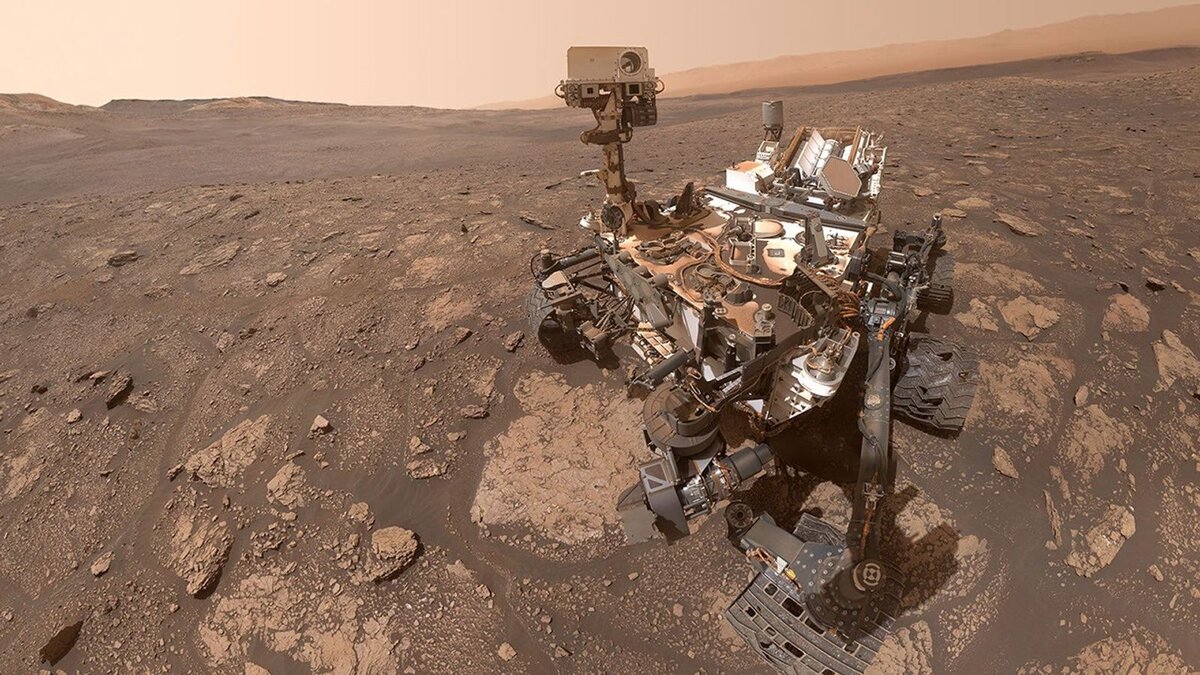 Credit: NASA/JPL-Caltech/MSSS
The "Mary Anning 3" sample, collected on October 25, 2020 from a clay-enriched region on Mount Sharp, has yielded extraordinary results. After years of analysis using the Sample Analysis at Mars (SAM) instrument inside the rover's belly, scientists identified 21 different carbon-containing organic molecules — the most diverse collection ever found on Mars.
Among the newly discovered compounds, seven had never been previously confirmed on the Martian surface or in Martian meteorites. Of particular significance is the detection of a nitrogen heterocycle, a molecular ring structure containing nitrogen that is considered a chemical precursor to RNA and DNA, the key molecules responsible for genetic information.
"That detection is pretty profound because these structures can be chemical precursors to more complex nitrogen-bearing molecules," said lead author Amy Williams of the University of Florida. "Nitrogen heterocycles have never been found before on the Martian surface or confirmed in Martian meteorites."
The Mary Anning site was selected because billions of years ago, it was covered by lakes and streams. This ancient aqueous environment created the clay minerals that are especially effective at preserving organic compounds — the carbon-containing building blocks of life that are found throughout our solar system.
The sample was analyzed using a technique called "wet chemistry" with tetramethylammonium hydroxide (TMAH), a powerful solution reserved for the highest-value samples. The Mary Anning 3 sample was the first to receive this treatment on Mars. Scientists verified the technique on Earth using the Murchison meteorite, a 4-billion-year-old space rock that contains organic molecules seeded throughout the early solar system.
Scientists emphasize that the presence of these organic molecules does not confirm ancient life on Mars — they could have been created by either biologic or geologic processes. However, their discovery does confirm that ancient Mars possessed the right chemical conditions to potentially support life.
"This is Curiosity and our team at their best," said mission project scientist Ashwin Vasavada of JPL. "This collection of organic molecules once again increases the prospect that Mars offered a home for life in the ancient past."
Curiosity has now used both of its TMAH cups and is exploring weblike boxwork ridges formed by ancient groundwater, where results from the second TMAH analysis will be published in a future peer-reviewed paper.