Tianzhou-10 Cargo Spacecraft Launches Successfully
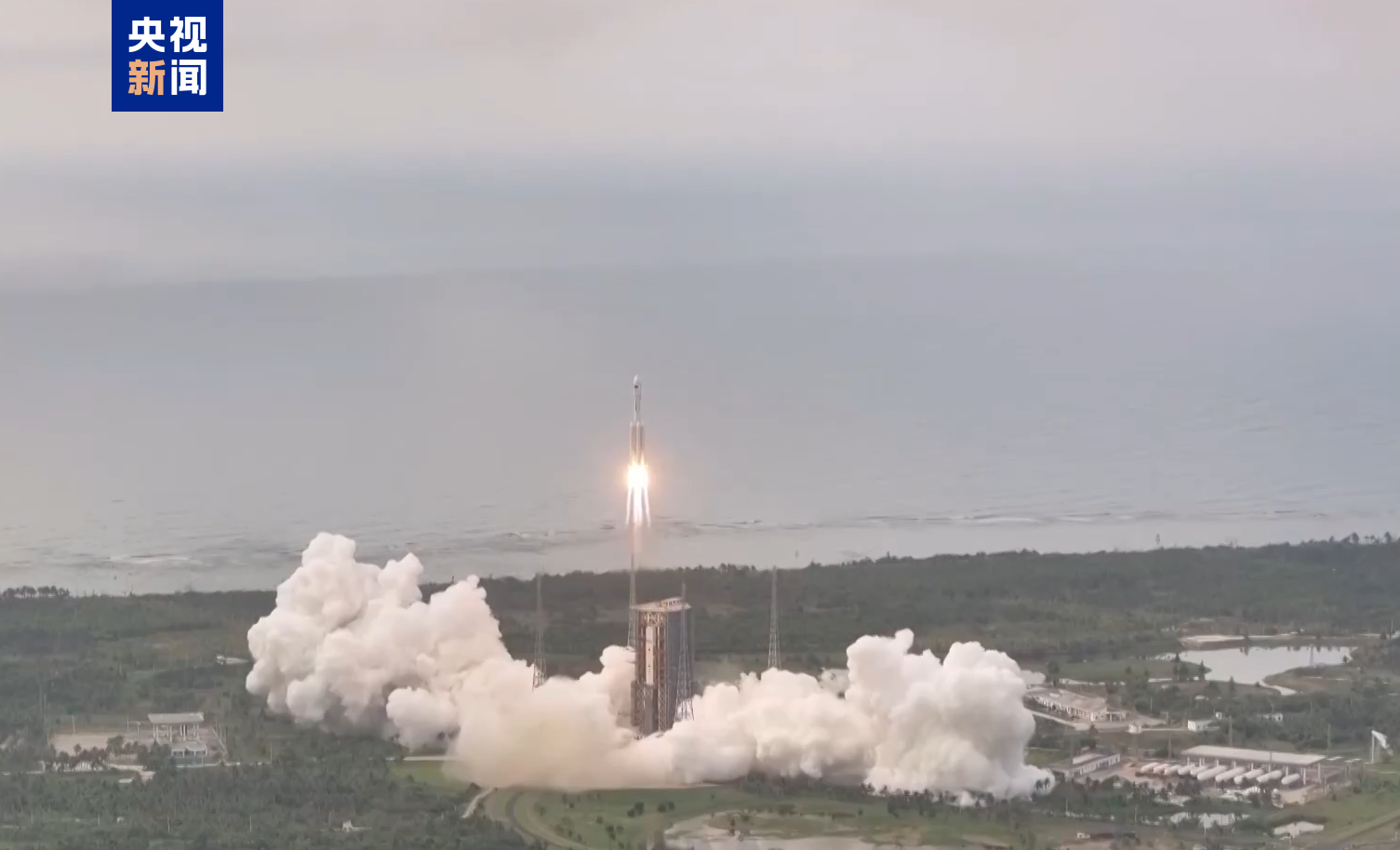
Summary: China successfully launched the Tianzhou-10 cargo spacecraft aboard a Long March 7 (Changzheng-7) rocket from the Wenchang Space Launch Site on May 11, 2026. The rocket lifted off at 08:14 Beijing Time (00:14 UTC), and the cargo spacecraft separated from the rocket approximately 10 minutes later, entering its planned orbit with solar panels deployed. This marks China's first crewed spaceflight launch of 2026 and the 5th cargo mission of the Space Station application and development phase.
Mission Overview
According to the China Manned Space Agency (CMSA), the Long March 7 Y-11 rocket carried the Tianzhou-10 cargo spacecraft into orbit. The vehicle separated from the rocket about 10 minutes after liftoff and entered its designated orbit with solar panels successfully unfurled.
Tianzhou-10 carried approximately 6.3 tonnes of cargo and 700 kg of propellant to the Tiangong Space Station, including one extravehicular spacesuit, crew consumables, and scientific experiment equipment. This was China's 10th Tianzhou cargo mission since 2017.
Background
Tianzhou-10 is a routine logistics mission supporting the Shenzhou-23 and Shenzhou-24 crews aboard Tiangong Space Station. The Tianzhou series is manufactured by the China Academy of Space Technology (CAST) and serves multiple purposes including cargo delivery, orbital refueling, and waste disposal.