ISS Zvezda Module Cracking Remains Unresolved
Summary: On May 6, 2026, NASA Space News reported that NASA and Roscosmos are continuing their joint investigation into structural cracks in the PrK vestibule of the International Space Station's Zvezda service module. While engineers have successfully stopped persistent air leaks using specialised sealant, the root cause of the cracks remains unidentified, raising concerns about the station's long-term structural integrity.
Current Status
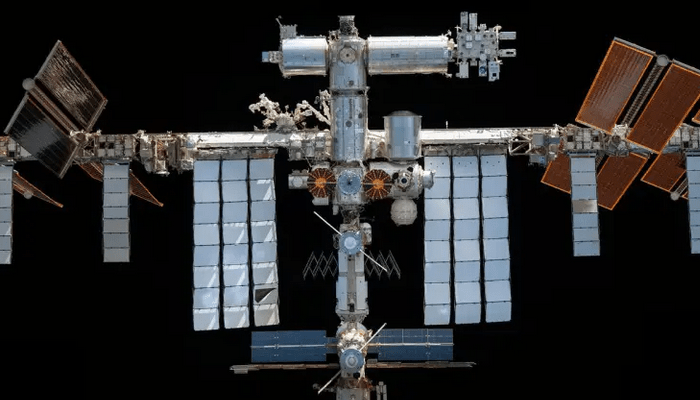
The PrK vestibule connects a docking port to the main body of the International Space Station. Cracks have appeared in this critical transition structure of the Zvezda service module, accompanied by persistent air leaks that posed a structural safety risk.
NASA and Roscosmos briefed on investigation progress at a joint commission meeting in Houston. Joint technical teams have identified two possible crack triggers:
| Factor | Description |
|---|---|
| High-cycle fatigue from pump vibrations | Metal fatigue accumulation from equipment vibrations in the module |
| Environmental-assisted cracking | Material degradation in the space environment due to thermal cycling and atomic oxygen exposure |
Investigations and testing analysis are ongoing, with the goal of reaching a definitive conclusion before the next joint commission meeting later in 2026.
Safety Protocols
Until the root cause is identified, the joint commission has mandated strict conservative operational procedures:
- Reduced PrK vestibule pressure to minimise structural loads
- Hatches closed between US and Russian segments during specific operations
- Crew relocation protocols when the PrK vestibule is open — non-Russian crew members must move to the US segment as a safety precaution against sudden decompression
- Alternative docking ports being assessed for Progress cargo ships to preserve the compromised docking port
Background: Zvezda Service Module
The Zvezda service module was the third ISS module to dock, connecting automatically to the Zarya module on July 25, 2000. It is the Russian contribution to the ISS, providing life support, propulsion, and crew quarters. ESA's Automated Transfer Vehicles docked to Zvezda's aft port between 2008 and 2015 for crew resupply.
Impact on ISS Lifespan
NASA officially plans for ISS retirement in 2030, though a Senate bill proposes extending operations to 2032. Identifying the root cause is essential for developing a safe deorbit plan — coordination for deorbit vehicles must begin well in advance to ensure safe disposal. Should the cracks worsen, the retirement timeline may need reassessment.
Additional uncertainties compound the situation: Boeing Starliner certification delays have affected crew training and rotation schedules; the PrK pressure-reduction agreement signed in 2025 is not consistently followed in practice.