
NASA's Roman Space Telescope Set to Revolutionize Hunt for Elusive Neutron Stars
Summary: Astronomers have long known that neutron stars—the crushed cores left behind after massive stars explode—should be scattered throughout the Milky Way. But pinning down the exact locations of these dense objects has proven extraordinarily difficult. NASA's Nancy Grace Roman Space Telescope, with its revolutionary wide-field infrared survey capabilities, is poised to systematically change that, with a launch targeted after September 2026.
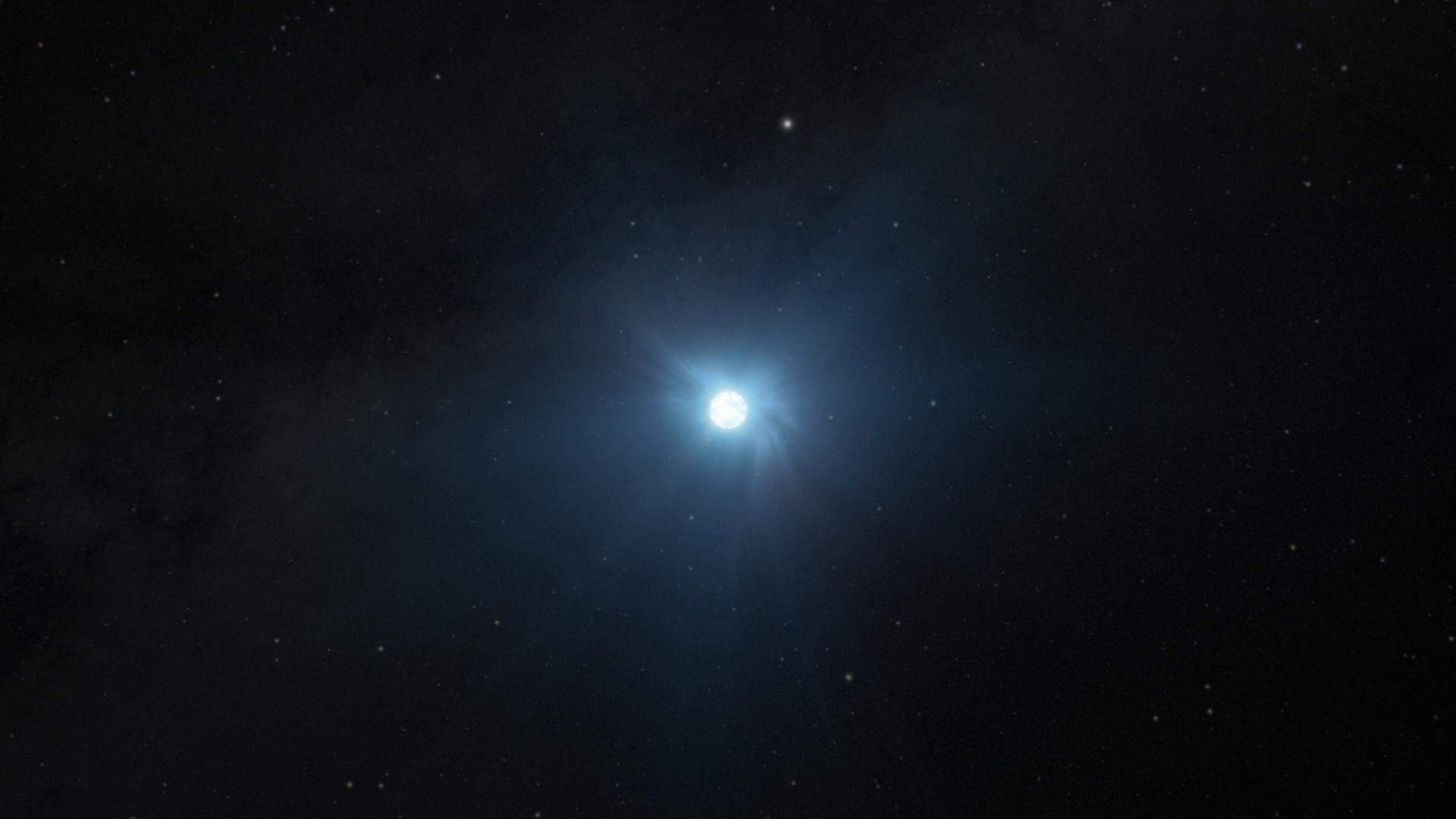
Neutron stars are among the densest known objects in the universe, with masses ranging from 1.4 to twice that of our Sun, compressed into a sphere roughly 20 kilometers in diameter. Their formation mechanism imparts extreme "birth kicks," propelling them through interstellar space at velocities of hundreds or even thousands of kilometers per second. This characteristic makes hunting for isolated neutron stars an exceptionally challenging endeavor—these objects travel alone, emit virtually no visible light, yet may betray their presence through infrared radiation or gravitational microlensing effects.
The Roman Space Telescope's Wide-Field Instrument provides 100 times the survey area of Hubble's infrared instruments, combined with rapid survey capabilities that will enable scientists to systematically scan vast stretches of sky for faint signals from these elusive objects. The mission team plans to employ gravitational microlensing—where the powerful gravity field of a passing neutron star briefly amplifies the light of a background star—as a primary technique to pinpoint these isolated neutron stars.