New NASA Technology Simulates Extreme Cold of the Lunar Night
Summary: During the lunar night—lasting approximately 14 Earth days—temperatures on the Moon's surface can plunge to -173°C, posing severe challenges for materials, devices, and systems operating on the lunar surface. A team at NASA's Glenn Research Center has developed a breakthrough ground simulation method that can reproduce this extreme cold environment in the laboratory, enabling rigorous testing of technologies intended for future lunar missions.
The Moon's surface experiences temperature swings far more extreme than those on Earth. Within a single lunar day (29.5 Earth days), lunar surface temperatures can fluctuate between approximately 127°C at noon and -173°C during the deep night. This brutal "lunar night freeze-thaw cycling" poses serious challenges for any hardware intended to operate on the Moon's surface long-term—from lander structures and electronics to photovoltaic panels and thermal control systems—all of which must either function normally or enter safe hibernation during these frigid periods.
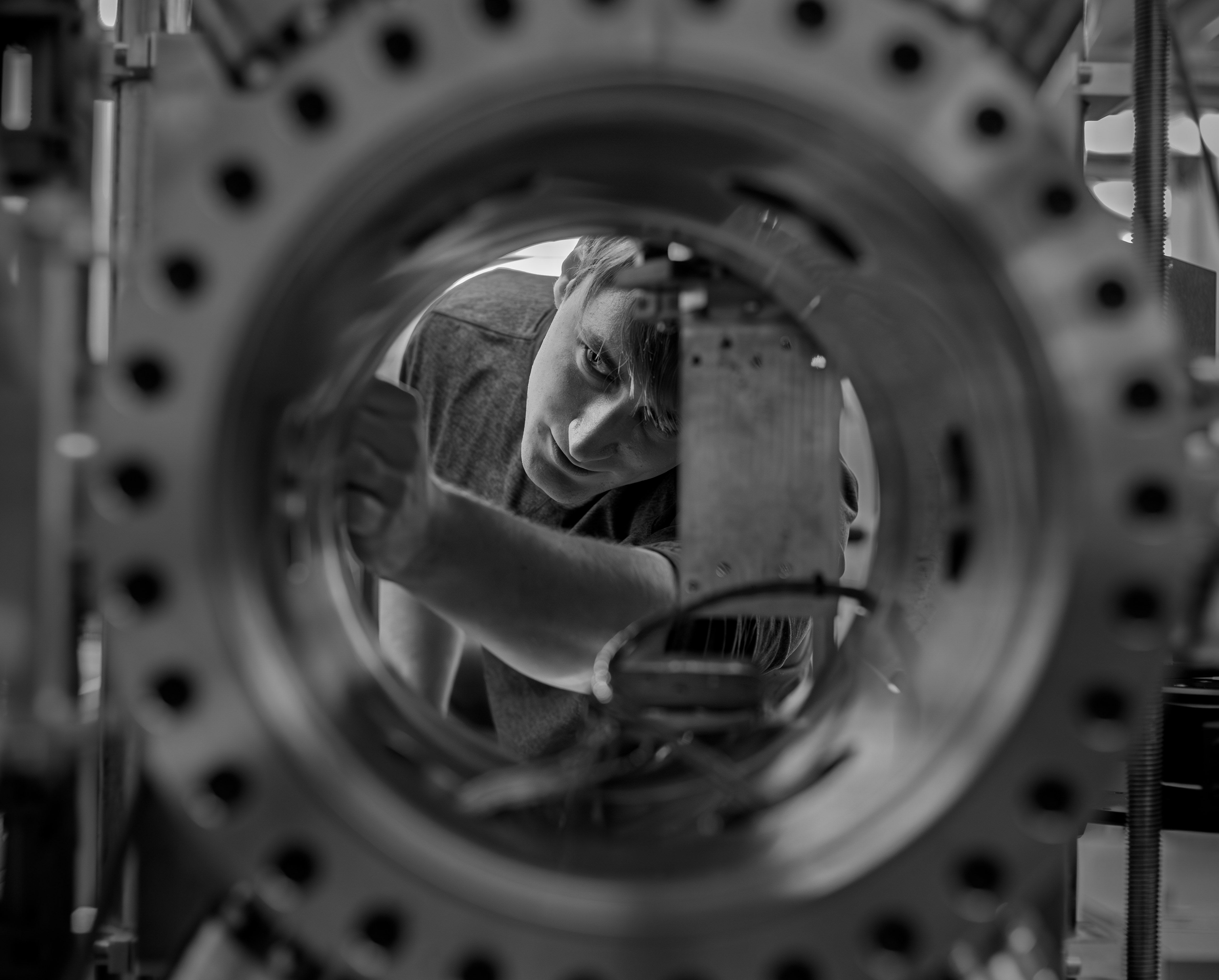
Traditionally, simulating lunar night conditions on Earth presented enormous difficulties: large volumes needed cooling, rapid temperature descent had to be achieved (mimicking the Moon's entry into lunar night), and ultra-low temperatures had to be sustained for days at a time. The NASA Glenn team employed an innovative thermodynamic approach using precise radiative cooling control within a vacuum chamber to achieve rapid, repeatable lunar night cold simulation. This technology not only significantly shortens test cycles but also improves test fidelity—since the simulated conditions can be precisely matched to actual lunar environmental parameters.
This breakthrough in test technology is particularly significant for NASA's Artemis program. As nations compete to establish permanent presence at the lunar south pole, the need for technologies capable of surviving and operating through the extreme cold of the lunar night grows increasingly urgent. Whether scientific instruments, communication equipment, or astronaut life support systems, all must pass rigorous lunar night simulation testing before being cleared for lunar missions.