
Milky Ways Central Black Hole Does Not Tearer Nearby Dust Apart, Cologne Observations Reveal
Summary — On 2026-07-09 new University of Cologne observations revealed Sgr A* does not consume nearby dust objects as previously thought, refining the picture of the Milky Ways supermassive black hole.
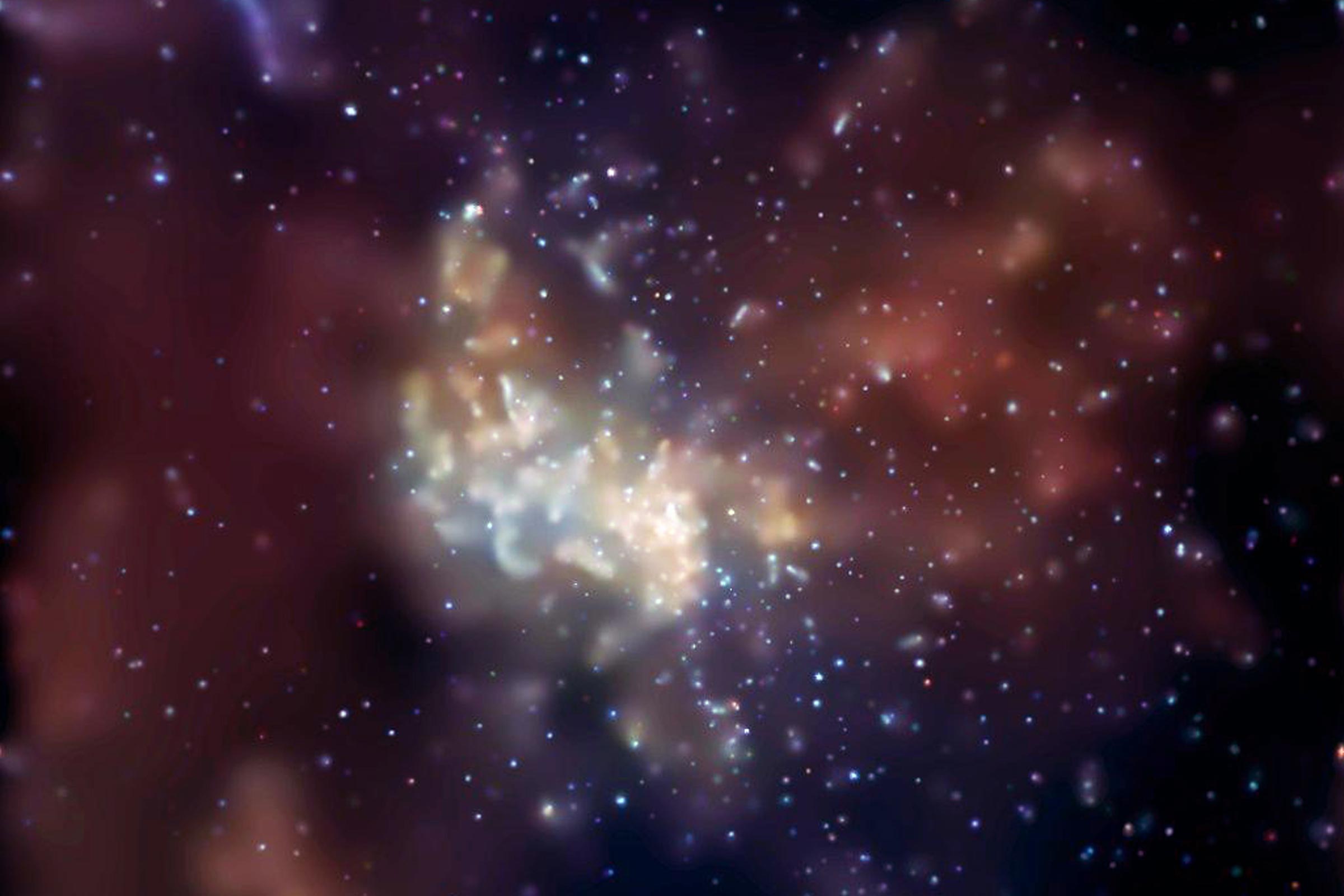
According to a SciTechDaily report dated July 9, 2026, a research team from the University of Cologne released new observations targeting Sagittarius A* (Sgr A*), the supermassive black hole at the center of the Milky Way. The long-standing expectation had been that gas and dust clumps falling toward Sgr A* would first be shredded by tidal forces and dispersed by radiation before ever being swallowed, so any intact dust clump plunging in should be exceedingly rare or impossible. As reported, the new observations directly tracked the positions and motions of dust clumps around Sgr A* and found no disruption signatures at the level predicted by older models.
The implication is a revision of the standard picture of black hole–matter interaction at the Galactic Center. If dust clumps can survive largely intact within Sgr A*'s gravitational sphere of influence, prior estimates of the central-parsec accretion rate, radiative feedback, and the lifetimes of dusty structures may need to be revised. As reported, the full details of the study — which facility was used (ALMA, VLT, JWST, or otherwise), the sample size, and the journal of record — still await formal disclosure by the research team.
It should be noted that what is currently publicly verifiable is limited to the July 9, 2026 announcement from SciTechDaily and the University of Cologne. Specific observational bands, the closest approach of dust clumps to Sgr A*, and whether a peer-reviewed paper was released in parallel all remain pending confirmation by the original team.