
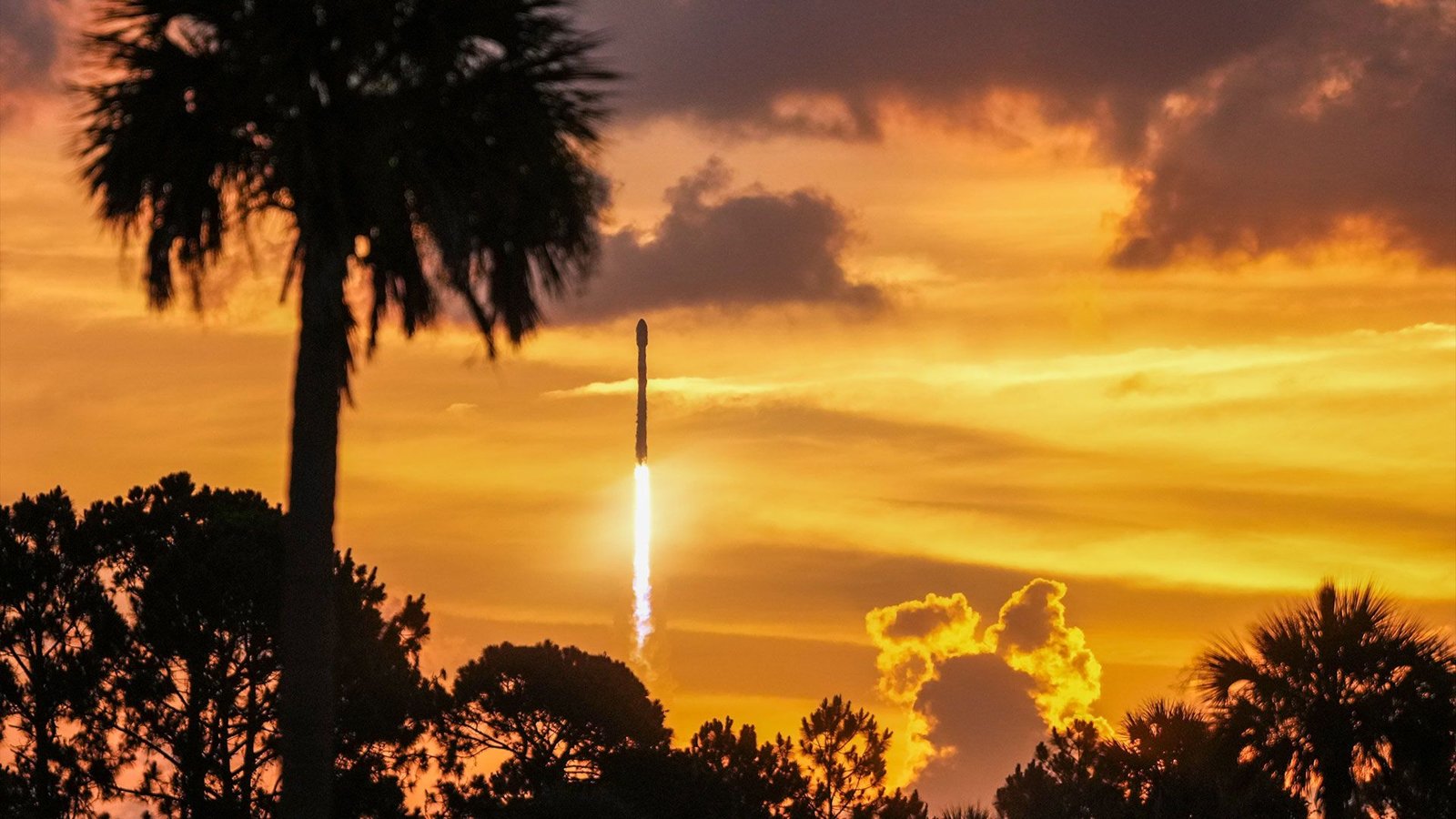
Starlink 10-43 Completes Cape Canaveral Make-up Launch Outside 24-Hour Window: SpaceX Logs 619th Booster Recovery
Summary: Thirty-one hours after the original June 3 launch window was scrubbed when a cold front triggered cumulus cloud, thick-cloud, and surface electric field rules simultaneously, SpaceX finally got Starlink 10-43 off the ground on June 4, 2026 at 6:26 a.m. EDT (10:26 UTC) from Space Launch Complex 40 at Cape Canaveral Space Force Station. The Falcon 9 delivered 29 Starlink V2 Mini Optimized broadband satellites to low Earth orbit, with SpaceX confirming deployment roughly 65 minutes after liftoff. About eight minutes after launch, booster B1090 — flying for the 12th time — settled onto the deck of the A Shortfall of Gravitas (ASOG) droneship in the Atlantic, marking ASOG's 153rd successful recovery and SpaceX's 619th Falcon 9 first-stage recovery overall. Combined with the previous day's Starlink 17-47 launch from Vandenberg (15:40 UTC on June 3), the back-to-back missions added 53 Starlink satellites to the constellation in 19 hours, pushing the active on-orbit Starlink count above 10,500.
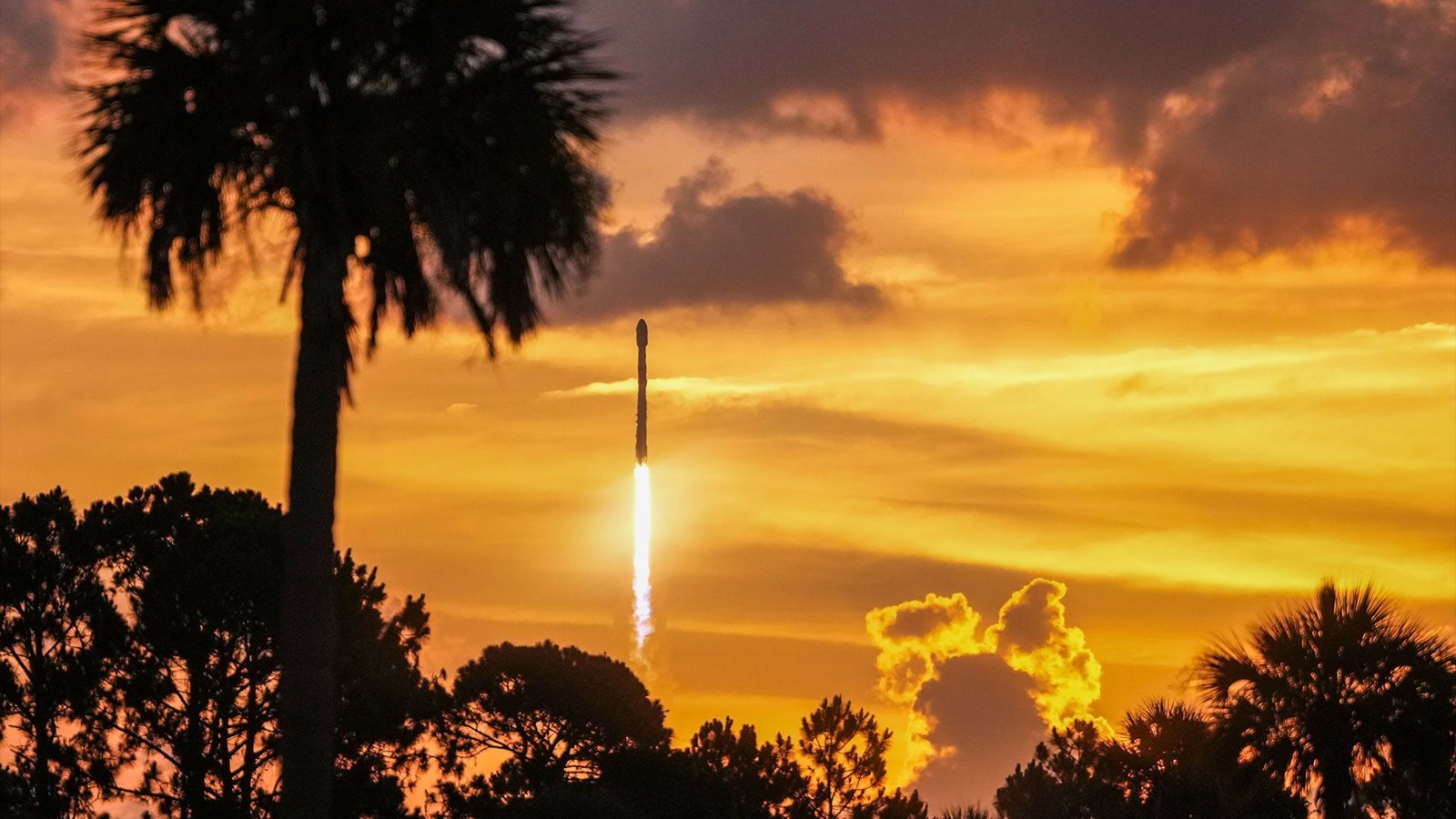
Mission and Hardware
- Payload: 29 Starlink V2 Mini Optimized satellites
- First-stage booster: B1090, on its 12th flight, with prior missions including NASA Crew-10, CRS-33, Bandwagon-3, O3b mPOWER-E, and mPOWER-D
- Recovery vessel: A Shortfall of Gravitas (ASOG), stationed in the Atlantic off the Florida coast
- Launch site: SLC-40, Cape Canaveral Space Force Station, Florida
- Trajectory: Northeastward along the Florida east coast into a low Earth orbit
- Liftoff: 6:26 a.m. EDT, June 4, 2026 (10:26 UTC)
- Deployment confirmation: Around 7:31 a.m. EDT (11:31 UTC), June 4 — SpaceX confirmed all 29 satellites released
- Booster landing: Approximately 6:34 a.m. EDT, June 4, on ASOG
The June 3 Scrub and the 24-Hour Make-up
On the morning of June 3, Spaceflight Now's live coverage page posted the update: "SpaceX scrubbed the launch." The 45th Weather Squadron's daily forecast product laid out the rule violations plainly: a southbound marine shower train was clipping the east-central Florida coast; mid-level cloud cover was running higher than the rules allow; and the surface electric field rule was on standby should the showers strengthen further. The original June 3 window — 6:00 a.m. to 9:43 a.m. EDT — closed without a launch, and SpaceX rolled the next attempt forward to June 4 at 4:00 a.m. EDT (08:00 UTC).
The June 4 window did not open cleanly either. SpaceX pushed the T-0 time forward in roughly 30-minute increments, eventually settling on 6:26 a.m. EDT. The 45th Weather Squadron's "go" forecast still carried cumulus-rule risk in the 4:00–5:30 a.m. window, and SpaceX's own ground flow was stepping through its recycle procedure between attempts. Once the clock passed 6:26 and the Falcon 9 climbed away from SLC-40, B1090 and the 29 V2 Mini Optimized satellites were committed to low Earth orbit, and the make-up mission was complete. SpaceX did not publish a standalone press release for the 10-43 success; a combined retrospective article appeared on space.com around 18:00 UTC on June 4 covering both missions.
Two Recovery Milestones
- ASOG's 153rd successful recovery. A Shortfall of Gravitas is the droneship SpaceX dedicates to east-coast recoveries. She first caught a Falcon 9 booster in August 2020 and has since handled Crew Dragon missions, commercial rideshare flights, and the bulk of Starlink launches out of Cape Canaveral. The 10-43 booster was her 153rd catch.
- SpaceX's 619th Falcon 9 first-stage recovery. Since the first Falcon 9 first-stage recovery in December 2015, SpaceX has now logged 619 such recoveries across the fleet. The 10-43 catch on June 4 followed the Starlink 17-47 catch on June 3 (B1088 on OCISLY, the 200th for that droneship and SpaceX's 618th overall), and the two together pushed SpaceX's running total from 618 to 619 inside 19 hours.
Back-to-Back with the June 3 Vandenberg Launch
The 10-43 and 17-47 missions bookended SpaceX's mid-week cadence. On June 3 at 11:40 a.m. EDT (15:40 UTC; 08:40 PDT), Falcon 9 lifted off from SLC-4E at Vandenberg Space Force Base carrying 24 Starlink V2 Mini Optimized satellites. Less than 19 hours later, Falcon 9 lifted off from SLC-40 at Cape Canaveral carrying 29 of the same model. The combined 24 + 29 = 53 satellites pushed Starlink's on-orbit active count above 10,500, up from roughly 10,450 the day before. Spaceflight Now counted 17-47 as SpaceX's 63rd Falcon 9 launch of 2026 and 10-43 as the 64th.
The booster flow split neatly between the two coasts. B1088, on its 16th flight, returned to OCISLY off the California coast on June 3 and notched that droneship's 200th catch. B1090, on its 12th flight, returned to ASOG off the Florida coast on June 4 and pushed that droneship's tally to 153. OCISLY hit 200 one day before ASOG hit 153 — a tidy symmetry in SpaceX's three-vessel recovery fleet.