
Blue Origin vows to resume New Glenn flights by year's end: LC-36 propellant tanks intact, transporter-erector scrapped in favor of vertical integration
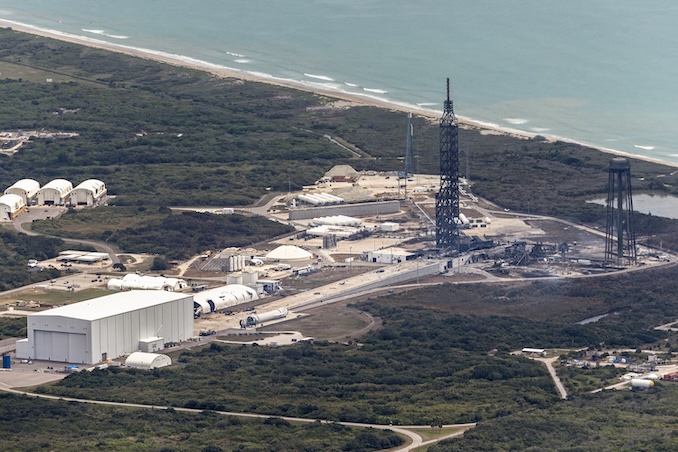
Summary: Less than a week after the May 28 New Glenn NG-4 static-fire explosion, Blue Origin CEO Dave Limp published the latest damage assessment on X in the early hours of June 2: the core LC-36 infrastructure — the liquid oxygen, liquid hydrogen, and cryogenic methane propellant tanks, plus the water tower — all came through the blast in good shape, and the support tower can be repaired in place rather than demolished. The transporter-erector destroyed alongside NG-4 will not be replaced; the company is instead moving directly to a new vertical-integration approach. Limp also confirmed another New Glenn first stage and payload fairing are already on site at Cape Canaveral, with the goal of returning New Glenn to flight before the end of 2026.

From "rebuild" to "repair": Limp's tone shifts within a week
When Limp first addressed the situation on X on May 31, his language was about "soon beginning to clean up the pad and put together a complete rebuild plan." One day later, the messaging is more measured. "Now that we've had access to the pad and integration facility we can share a bit of good news," Limp wrote. "The propellant farm, oxygen, liquid hydrogen and LNG [cryogenic methane] tanks are all in good shape. This is good news."
His description of individual facilities is also notably better than early expectations. The water tower is "also good." The big support tower is damaged, "but it can be repaired in place rather than torn down and replaced."
The transporter-erector was already on the way out
The transporter-erector — the hardware used to roll the rocket horizontally to the pad and then raise it vertical — was destroyed alongside NG-4 in the blast. Limp revealed in the latest update that the company was already partway through replacing it: "We had already been working for some time on eliminating our transporter-erector in favor of an alternative vertical [rocket assembly] capability, and we'll now go directly to that; so we don't need a new transporter-erector."
The implication is that the explosion has accelerated an internal transition Blue Origin was already pursuing: away from the two-step horizontal-rollout-then-raise workflow, and toward an in-place vertical integration approach more reminiscent of SpaceX's Falcon 9.
Flight hardware in place: NG-5 ready to be the comeback vehicle
Even as pad repairs get underway, the next New Glenn's hardware has already arrived. Limp confirmed "another New Glenn first stage booster and fairing" are on site — the physical foundation for a year-end return to flight. That booster flew and was successfully recovered on the NG-3 mission in January 2026, making it the only flight-proven New Glenn first stage currently in service; the NG-4 first stage was lost in the explosion.
Timeline: year-end target, FAA investigation still the swing factor
Limp's stated goal is to "resume New Glenn flights by year's end" — a more optimistic framing than the cautious outlook many industry analysts held in the days after the accident. Two external constraints still need to clear before that target is reachable:
- FAA investigation: The explosion occurred during a static-fire test outside the scope of an active launch license, but the FAA still needs to complete the mishap investigation and a return-to-flight review. The FAA took a similar line with SpaceX after a separate Starship anomaly in May, requiring a SpaceX-led investigation before Starship launches could resume.
- Support tower repair schedule: Although Limp said the support tower can be repaired in place, no specific timeline has been published. That repair is on the critical path to any year-end flight.
Knock-on impact for the Blue Moon manifest
In the first week after the accident, industry analyst Casey Curlee characterized the explosion as "a pretty significant setback" for NASA's lunar plans, warning that the Blue Moon MK1 lander's planned fall-2026 launch window could slip and that the Blue Moon MK2 crewed variant was also at risk. Limp's June 2 update does not directly revise the Blue Moon schedule, but the year-end New Glenn target does mean that, even if Blue Moon misses the fall 2026 window, the company still has a path to re-validate the booster with a cargo flight before 2026 closes.
Sources (original pages)
- Blue Origin vows to resume New Glenn flights by year's end — Spaceflight Now (published on SFN, June 2)
- Dave Limp on X — LC-36 damage assessment and year-end return-to-flight target — posted early June 2, 2026