NASA Fosters Lunar Resource-Seeking Technologies for Sustainable Deep Space Exploration
Summary: NASA has published a feature article highlighting ongoing industry and government collaboration to develop in-situ resource utilization (ISRU) technologies capable of extracting hydrogen, helium-3, and other valuable substances from lunar regolith. These efforts are key to enabling sustainable long-duration missions to the Moon under the Artemis program and ultimately crewed flights to Mars.
In-Situ Resource Utilization: The Path to Independence
To support long-duration missions to the Moon and Mars, NASA and industry are developing technologies that can extract resources such as hydrogen and helium-3 directly from the lunar surface. In-situ resource utilization (ISRU) aims to reduce the mass and cost of deep space missions by producing consumables — water, oxygen, and rocket propellant — on the surface rather than transporting them from Earth.
Key Focus Areas
NASA's current ISRU technology development focuses on:
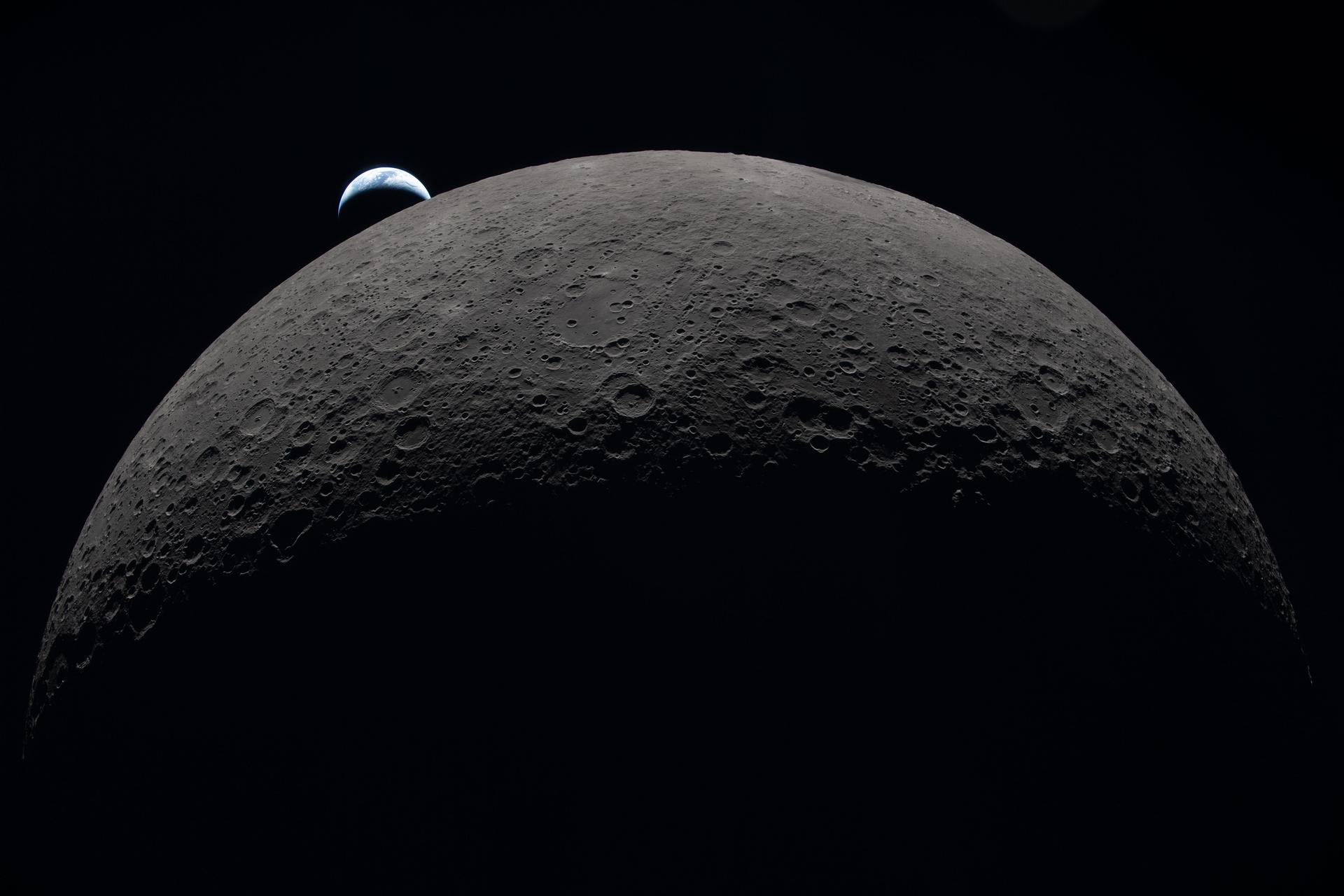
- Water Ice Extraction: Targeted extraction of water ice from permanently shadowed craters at the lunar poles, which could be electrolyzed into liquid hydrogen and liquid oxygen for rocket propellant
- Helium-3 Mining: Research into extracting helium-3 — a rare isotope believed to be abundant in lunar regolith — for potential use as a fusion fuel or industrial applications
- Regolith Processing: Technologies to process lunar soil (regolith) and separate valuable elements using thermal, chemical, or electrochemical methods
- Oxygen Production: Demonstration of oxygen extraction from oxides in lunar soil, critical for life support systems and local propellant production
Artemis and Beyond
These ISRU initiatives are integral to the Artemis program, which aims to establish a sustainable human presence on and around the Moon by the end of the decade. NASA and commercial partners are conducting field tests and technology demonstrations to mature extraction processes, with operational deployments planned for the mid-to-late 2020s.