
2026 Marks China's Commercial Space "Mass Production Era" with 100+ Launches Projected
Summary: In 2026, China's total space launches are projected to exceed 100, with over 60 from commercial launches and more than 30 from private rockets, officially marking the "mass production era" of commercial space. As of mid-April, 16 commercial launches had been completed domestically, placing over 130 commercial satellites in orbit — accounting for approximately 90% of all satellites launched during the same period. Leading companies Blue Arrow Space and CAS Space have both filed for STAR Market IPOs, intensifying the competition to become the "first listed commercial space company."
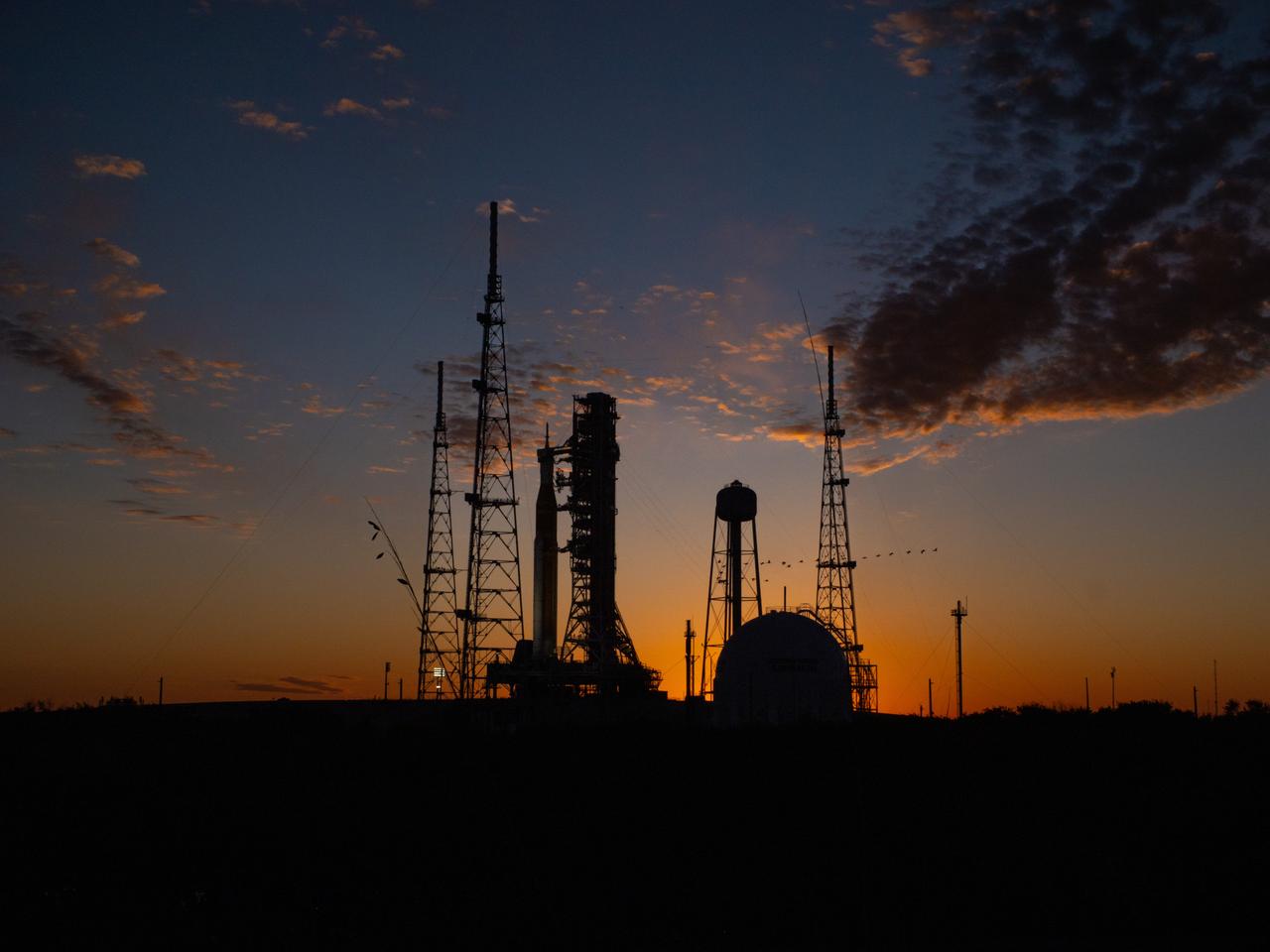
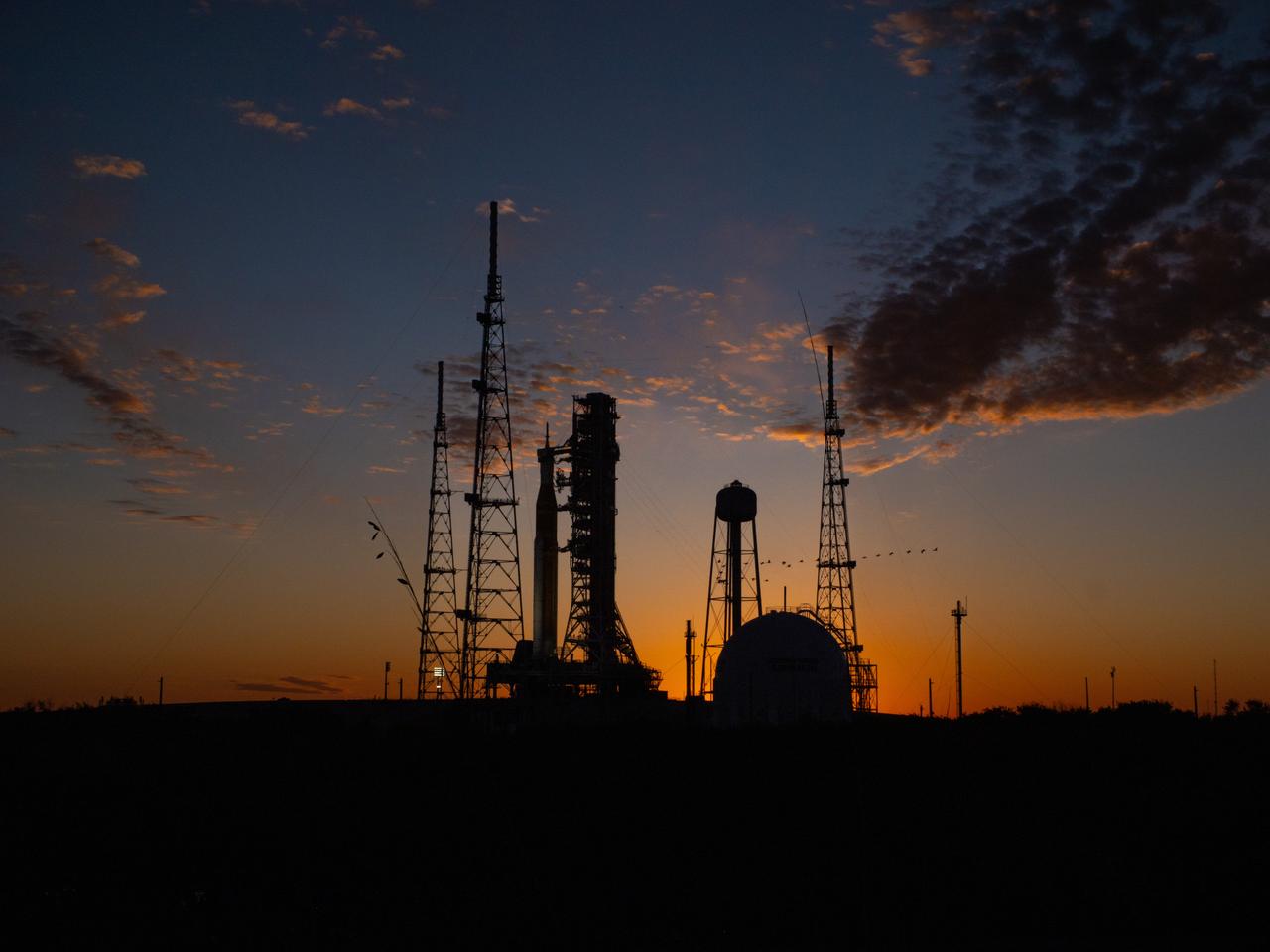 Credit: NASA (public domain, illustrating global commercial space development trends)
Data: The "Mass Production Era" Has Arrived
According to data from CNSA and CAS Space, China's space launch frequency has grown by leaps and bounds from 2024 to 2026:
| Year | Total Launches | Notes |
|---|---|---|
| 2024 | 68 | — |
| 2025 | 92 | All-time high |
| 2026 (target) | ~140 | ~52% YoY increase |
In 2026, China's total launches are projected to exceed 100, with commercial launches surpassing 60 (over 60% share) and private commercial rockets undertaking more than 30. As of mid-April, 16 commercial launches had been completed domestically, placing over 130 commercial satellites in orbit, accounting for approximately 90% of all satellites launched during the same period.
From "Getting to Space" to "Getting to Market": Commercial Space Speeds Up
CNSA's 2026 China Space Day press conference explicitly stated that commercial space would be incorporated into the national space development overall layout, pushing the industry from technology validation to engineering application and industrial deployment. Multiple research institutions note that 2026 has become the industry consensus as the "first year of commercial space" in China. The sector is transitioning from technology validation to large-scale engineering, with reusable rocket technology entering an intensive verification phase.
Battle for "First Listed Commercial Space Company" Heats Up
With continuous policy dividends, the capitalization process of commercial space enterprises is accelerating. Blue Arrow Space and CAS Space have both filed for Science and Technology Innovation Board (STAR Market) IPOs, making the competition for the "first listed commercial space company" increasingly intense.
The Lijian-2 (Yao-1) successfully completed its maiden flight on March 30, 2026, at the Dongfeng Commercial Space Innovation Test Zone — the 12th launch of the Lijian series. As China's first rocket using the Common Booster Core (CBC) configuration, the Lijian-2's first flight already served national strategic and major engineering construction needs, marking the accelerated transition of private commercial rockets from "experimental products" to "operational systems."
China's Commercial Space Capabilities
According to Yang Yiqiang, Founder and Chairman of CAS Space:
- ~50 commercial rocket companies with overall design capability
- 39 actively advancing development
- 8 having completed flight test and technical validation
- 11 preparing for maiden launches
Key commercial rocket models include: Lijian-2 (CAS Space), Zhuque-3 (Blue Arrow Space, liquid oxygen-methane reusable), Tianlong-3 (Space Pioneer), Gushenxing-1 (Galactic Energy, sea-launch variant), and others.
Sources (original pages)
- Recoverable Technology Breakthrough Imminent, Supply Chain Restructuring Key to Cost Reduction in Commercial Space (Hexun)
- Commercial Space Enterprise Capitalization Accelerates, Supply Chain Restructuring Key to Cost Reduction (Sina Finance)
- Lijian-2 Fires the Starting Gun: 2026 China Commercial Space Enters "密集发射期" (Wall Street CN)
- China Targets 140 Launches in 2026! Commercial Space Surges (Beijing News)