
Change-7 Probe Expected to Launch in August, Carrying Payloads from 7 Countries to Explore Lunar South Pole
Summary: Chinas Change-7 probe is expected to launch in August 2026, landing near the Shackleton crater at the lunar south pole to detect water ice and the environment, carrying cooperative payloads from 7 countries.
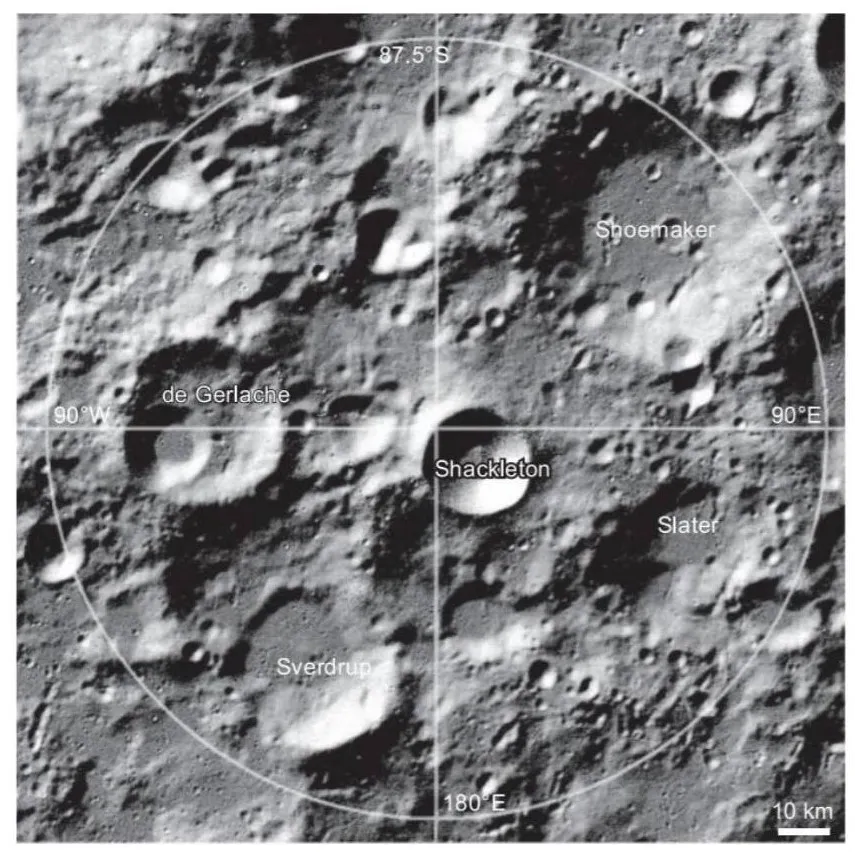
According to the China National Space Administration (CNSA) and related sources, the Chang'e-7 mission is scheduled for launch in August 2026. The probe's primary scientific objective is to land near the Shackleton crater at the lunar south pole to conduct detailed investigations into the distribution of water ice, the space environment, and the geological characteristics of the region. This mission is of great significance for gaining a deeper understanding of lunar resources and assessing the feasibility of future lunar research station construction.
A notable feature of the Chang'e-7 mission is its depth of international cooperation. The probe will carry scientific payloads from seven countries, which will work in conjunction with China's main probe to conduct joint scientific exploration. This reflects China's open attitude in actively promoting international cooperation and sharing scientific achievements in the field of deep space exploration. Specific details regarding the international cooperative payloads are expected to be announced by the mission authorities later.
This mission is a key component of China's Lunar Exploration Program Phase IV, aiming to lay the technical foundation and accumulate scientific data for the subsequent Chang'e-8 mission and the construction of the International Lunar Research Station (ILRS). If the launch proceeds successfully, Chang'e-7 will provide valuable first-hand data for humanity's exploration of the critical lunar south pole region.