

Scientists Detect Gamma-Rays from Superluminous Supernova for First Time, Powered by Magnetar
Summary: An international team of astronomers has published a paper announcing the first definitive detection of gamma-rays from a superluminous supernova, SN 2017egm, using NASA's Fermi Gamma-ray Space Telescope. The discovery confirms that the superluminous supernova's extraordinary luminosity is powered by a newborn magnetar formed during the stellar collapse, with a magnetar wind nebula boosting particle production and gamma-ray emission.
Discovery Overview
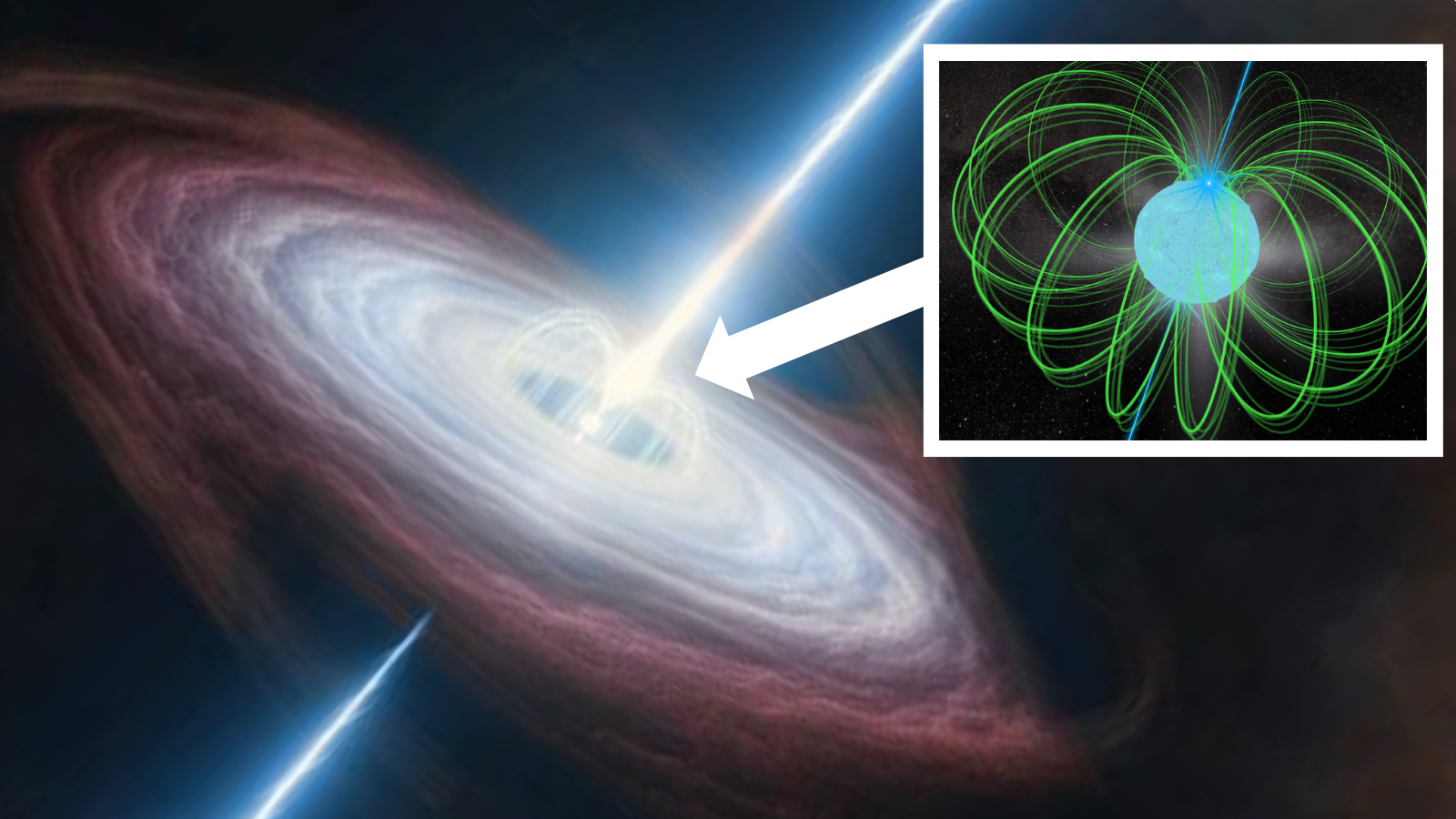
During core-collapse supernovae, stellar cores with between one and two times the mass of the Sun collapse to a radius of approximately 20 kilometers to form a neutron star. In some cases, these neutron stars become magnetars — rapidly spinning neutron stars with extremely strong magnetic fields.
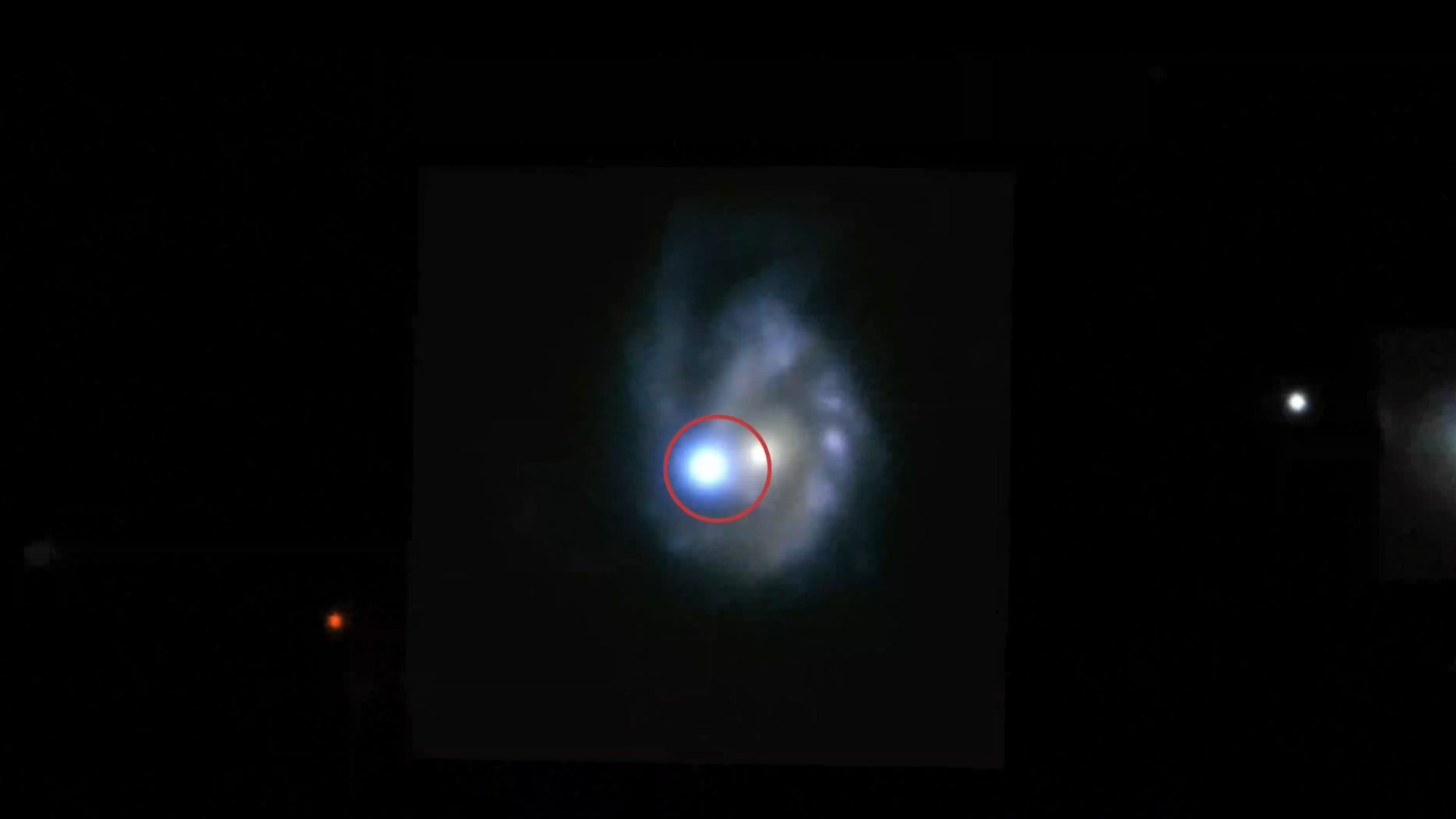
For nearly 20 years, astronomers have searched Fermi data for gamma-ray signals from thousands of supernovae. While a few intriguing hints were reported, none were definitive until now. In 2024, the team announced the first confirmed detection of gamma-rays from superluminous supernova SN 2017egm, marking the first validated detection of its kind.
Magnetar Powering Mechanism
Superluminous supernovae outshine ordinary supernovae by a factor of 10 to 100. One leading theory suggests their extraordinary energy comes from the magnetars they birth.
The research team observed the optical and gamma-ray radiation emitted by SN 2017egm and compared this data to theoretical models of light flow. The magnetar wind nebula — a cloud of particles accelerated by the rapidly spinning newborn magnetar — is believed to boost the production and emission of gamma-rays.
Key Timeline
As explained by Guillem Martí-Devesa of the Institute of Space Sciences in Barcelona: "About three months after the collapse, as the supernova debris expands and cools, the gamma rays can begin to leak out. This magnetar model best reproduces the supernova's luminosity and gamma-ray emission."
This discovery opens a new window for superluminous supernova research, demonstrating the feasibility of detecting such events with gamma-ray telescopes and confirming magnetars as the central power source behind superluminous supernovae.