NASA's LAGEOS-1 Celebrates 50 Years in Earth Orbit: A Legacy of Geodynamic Science
Summary: NASA marks the 50th anniversary of the Laser Geodynamic Satellite (LAGEOS-1), launched on May 4, 1976. The soccer-ball-sized satellite, covered in 426 retroreflectors, remains the oldest human-made object still fully operational in Earth orbit, enabling half a century of precise laser ranging measurements that have shaped our understanding of Earth's shape, rotation, and gravitational field.
A Disco Ball in Space
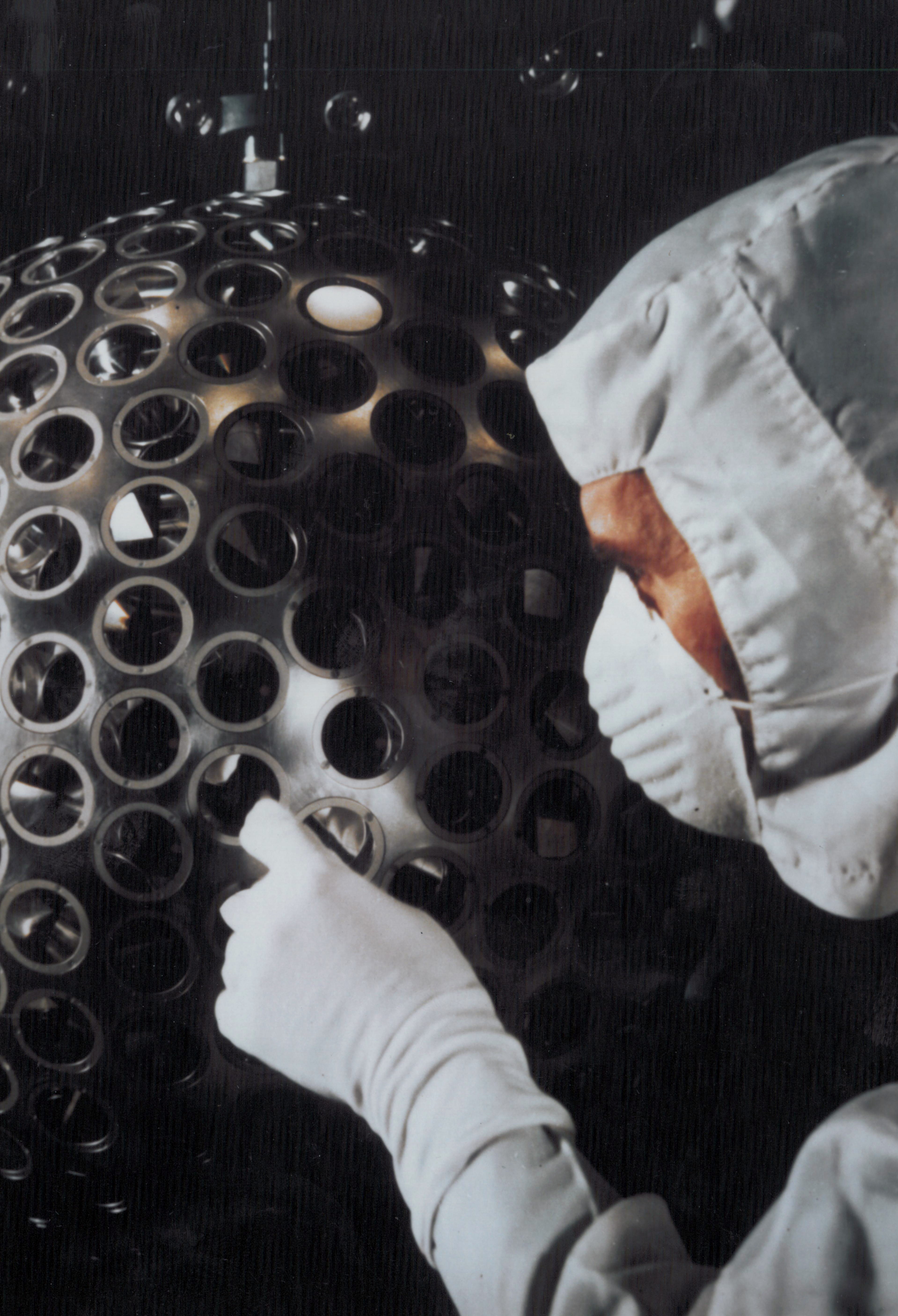
On May 4, 1976, a spacecraft resembling a disco ball entered orbit almost 3,700 miles (6,000 kilometers) above Earth. This shiny, two-foot-wide (60-centimeter-diameter) sphere — the Laser Geodynamic Satellite, or LAGEOS-1 — was not launched to explore the cosmos. Instead, it was designed to serve as a precise, passive target for ground-based laser ranging measurements, acting as a reference point for scientists studying Earth's properties.
Half a century later, LAGEOS-1 remains the oldest human-made object still fully operational in Earth orbit. Its longevity is a testament to its simple but robust design: a brass core encased in an aluminum shell, covered with 426 corner-cube retroreflectors that reflect laser pulses back to their source with exceptional precision.
Fifty Years of Geodetic Science
Over the past 50 years, LAGEOS has been instrumental in advancing multiple fields of Earth science:
- Plate Tectonics: LAGEOS data has provided definitive evidence of continental drift, allowing scientists to measure the movement of tectonic plates with centimeter-level accuracy
- Earth's Orientation and Rotation: The satellite's precise orbit helps track subtle changes in Earth's rotation rate and orientation in space
- Geopotential Research: LAGEOS measurements contribute to understanding Earth's gravitational field and its variations
- Relativistic Geodesy: The mission has provided data for testing Einstein's general theory of relativity in the gravitational field of Earth
Engineering Legacy
LAGEOS was built by NASA's Goddard Space Flight Center, and its mission was originally designed to last 50 years — a goal it has now surpassed. The satellite's retroreflectors, made from fused silica and germanium, have maintained their precision despite decades of exposure to the space environment, including micrometeorite impacts and thermal cycling.