China's Commercial Space Sector Enters Era of Large-Scale Production as Recoverable Rocket Verification Window Opens
China Space

China's Commercial Space Sector Enters Era of Large-Scale Production as Recoverable Rocket Verification Window Opens

Tianjiangshuo·

China's Commercial Space Sector Enters Era of Large-Scale Production as Recoverable Rocket Verification Window Opens

Summary: In late April 2026, China's commercial space sector welcomed an intensive verification window for recoverable rockets. Multiple rocket types including Long March 10B and Zhuque-3 conducted sequential recovery technology tests, while the national Commercial Space Standard System v1.0 was simultaneously launched. With policy support and core technology breakthroughs aligning, A-share supply chain companies reported strong Q1 performance, and analysts predict that the engineering implementation of recoverable technology will drive launch costs exponentially lower, marking the sector's transition into large-scale commercial application.

Multiple Rockets Under Intensive Verification

In late April, multiple commercial rocket types in China conducted sequential recoverable technology verification tests, marking a rare "intensive verification window."

Long March 10B successfully conducted its maiden flight on April 28 at the Wenchang Commercial Space Launch Site, simultaneously verifying the world's first sea-based net recovery technology. This marked China's first carrier rocket model to achieve "first flight equals first recovery," with its 5-meter core stage diameter and 16-ton LEO payload capacity making it ideal for large-scale constellation deployment.

Zhuque-3 (遥二) is scheduled to attempt another full-process orbital-class first-stage recovery in Q2 2026. Following the previous Zhuque-3 遥一 mission which encountered secondary ignition failure during recovery, the 遥二 mission will incorporate technical improvements based on lessons learned.

Additionally, commercial space companies including CAS Space and Deep Blue Aerospace have been advancing their respective recoverable rocket technology verification plans during the same period, forming a landscape of multiple models and technical routes in parallel development.

National Standard System Simultaneously Launched

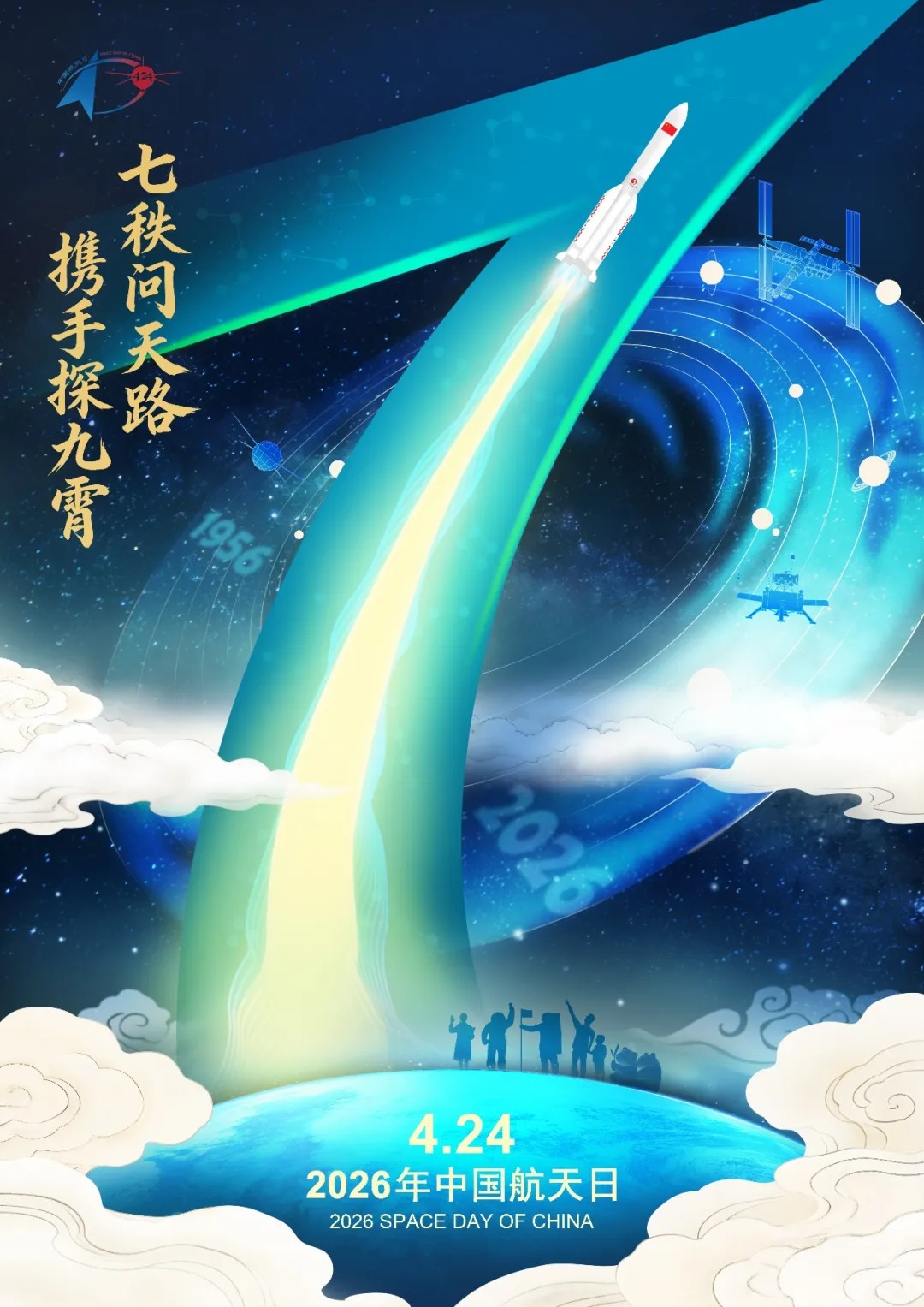
In sync with the intensive recoverable rocket verification, CNSA officially released the Commercial Space Standard System v1.0 at the 2026 "China Space Day" press conference. This top-level standard's implementation marks China's commercial space sector's transition from technology verification to standardized, normalized development, providing unified specifications for R&D, production, and market access across supply chain companies.

Industry Prospects

Analysts believe that the engineering implementation of recoverable technology will drive launch costs exponentially lower. With China's average commercial launch cost at approximately 75,000 RMB/kg in 2024 as reference, SpaceX has already controlled costs to approximately 20,000 RMB/kg through mature recoverable technology. Mastering recoverable technology is not an "option" but a "necessity" for large-scale launches.

Wind data shows that the Wenzhou Commercial Space Concept Index performed well recently, rising 6.51% cumulatively since April 7. With policy support and core technology breakthroughs aligning, A-share space supply chain companies reported strong Q1 performance, with the entire industry chain including satellite manufacturing, rocket manufacturing, and ground equipment poised for value revaluation.

Sources (original pages)

← Back to Space News