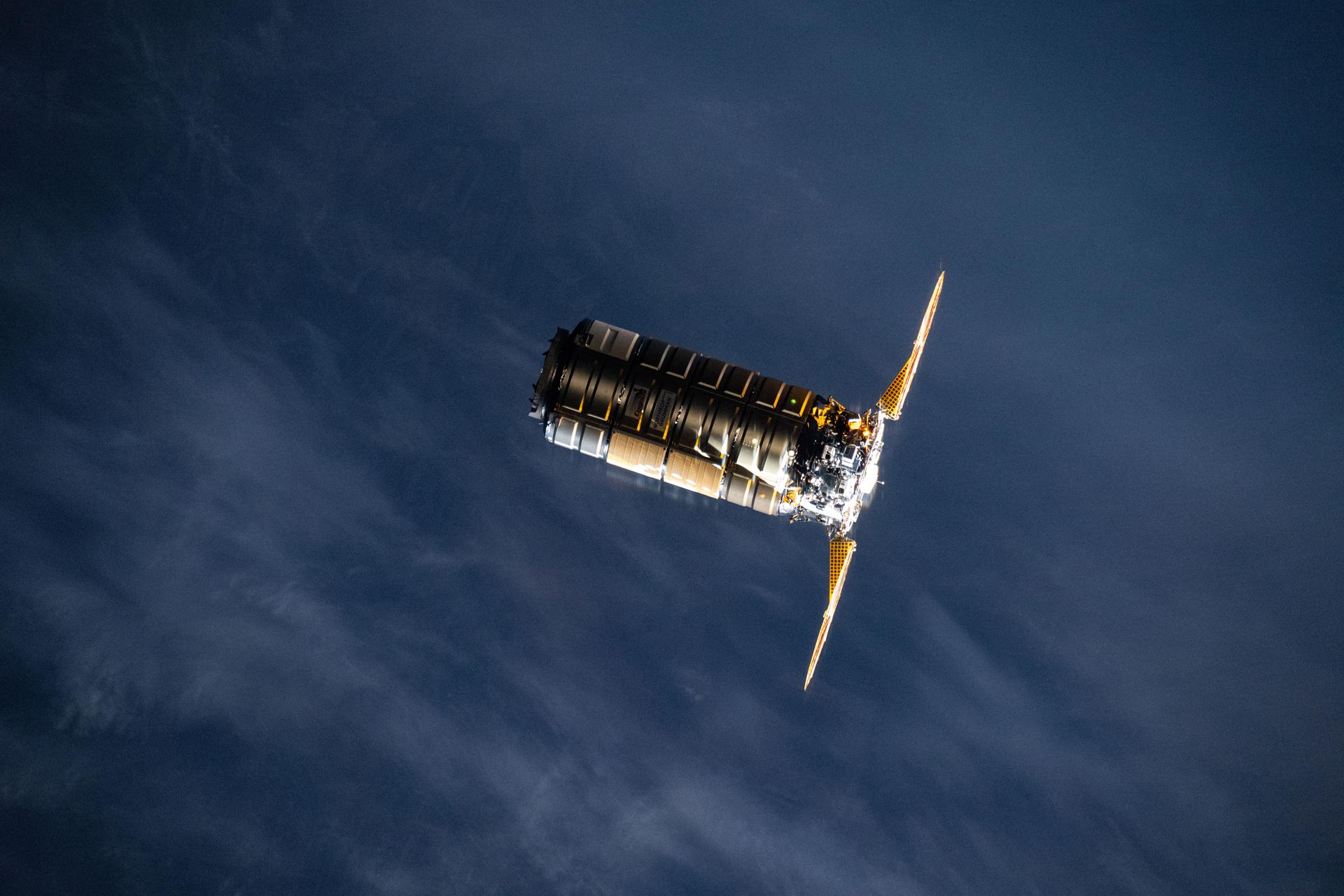
Northrop Grumman Cygnus XL Cargo Ship Launches Successfully, Delivering Nearly 5,000 kg to ISS
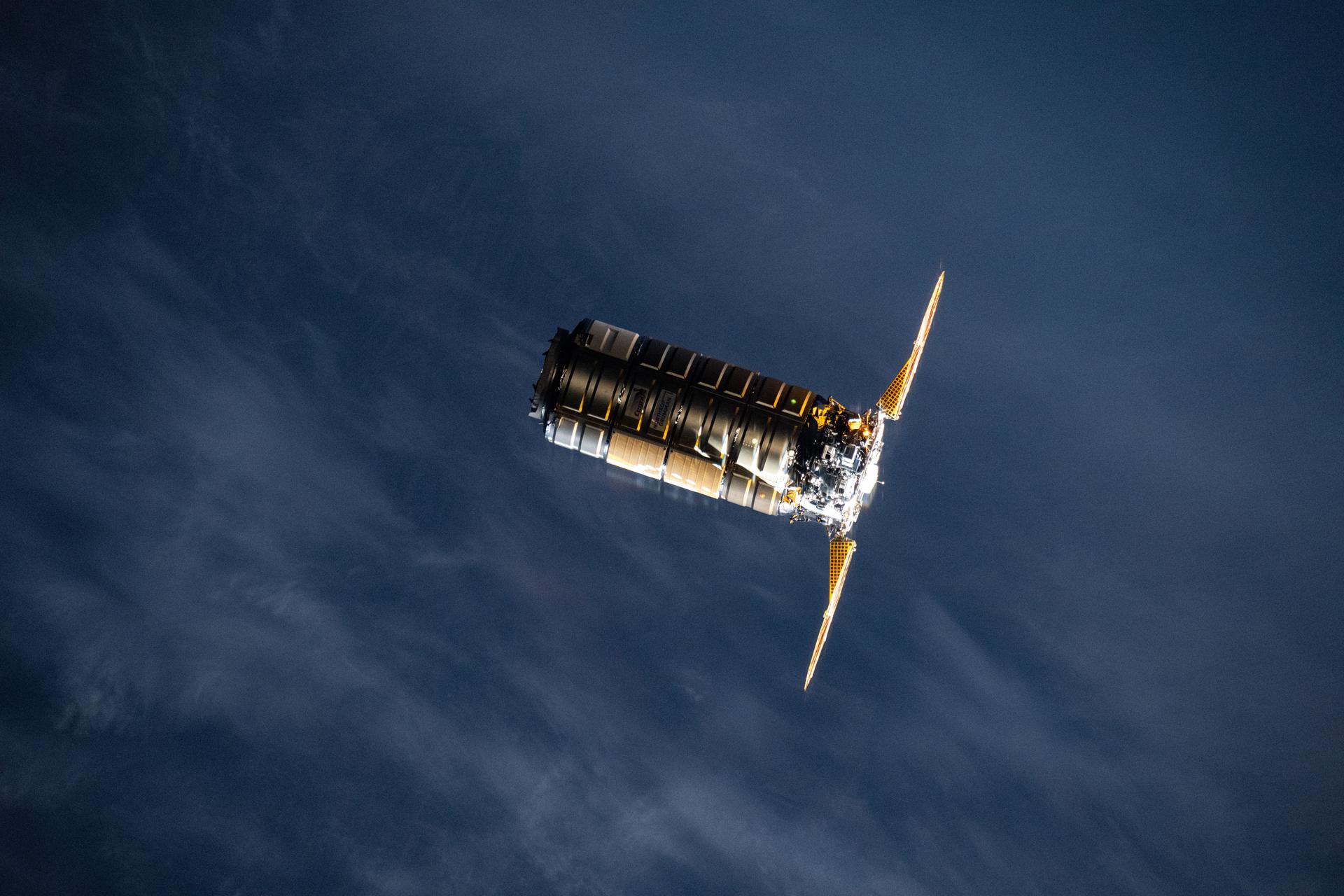
Summary: After three postponements, Northrop Grumman's 24th Commercial Resupply Services mission (NG-24) lifted off at 7:41 a.m. EDT on April 11. A SpaceX Falcon 9 rocket launched from Space Launch Complex 40 at Cape Canaveral Space Force Station, sending the Cygnus XL cargo spacecraft — named S.S. Steven R. Nagel — into orbit carrying approximately 11,000 pounds (nearly 5,000 kg) of science experiments and supplies bound for the International Space Station.
Credit: NASA
Launch Overview
The launch experienced multiple delays — originally scheduled for April 8, it was pushed back to April 9, then April 10, before finally launching on April 11 due to additional payload and spacecraft preparations. The Falcon 9 first stage successfully returned to landing, achieving yet another reusable booster recovery.
Cygnus XL is Northrop Grumman's upgraded, enlarged version of the original Cygnus freighter, featuring increased payload capacity and pressurized cargo volume. In addition to delivering supplies, the spacecraft is equipped to perform orbital re-boost maneuvers that help maintain the station's altitude.
Key Payloads
Science and technology demonstrations aboard NG-24 include:
- Cold Atom Lab new module — advancing quantum science research
- Therapeutic stem cell production device — for blood disease and cancer research
- Gut microbiome model organisms — studying the effects of spaceflight on the human microbiome
- Space weather receivers — improving space weather forecasting models
The spacecraft is expected to remain docked to the ISS until October, at which point it will depart with thousands of pounds of waste, burning up safely during re-entry.