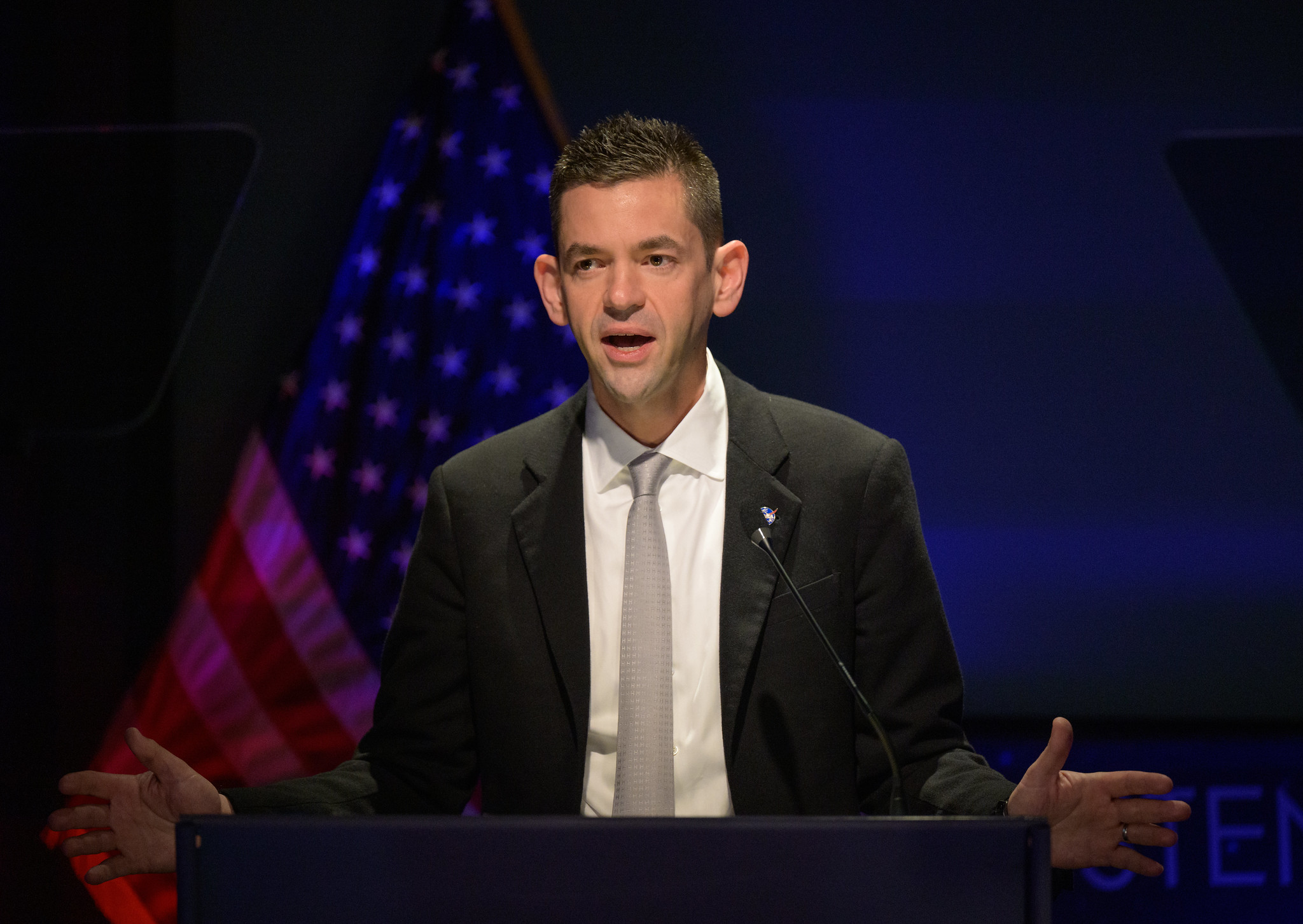
NASA Administrator Isaacman Defends Steep Budget Cuts, Pledges Focus on 'Bold Goals'
Summary: NASA Administrator Jared Isaacman defended the administration's proposed FY2027 budget during congressional hearings. The proposal would cut NASA's budget from approximately $25 billion to around $20 billion — a roughly 20% reduction — with science programs bearing the brunt of the cuts. Isaacman argued NASA would use funds "more efficiently" and focus on "bold goals."
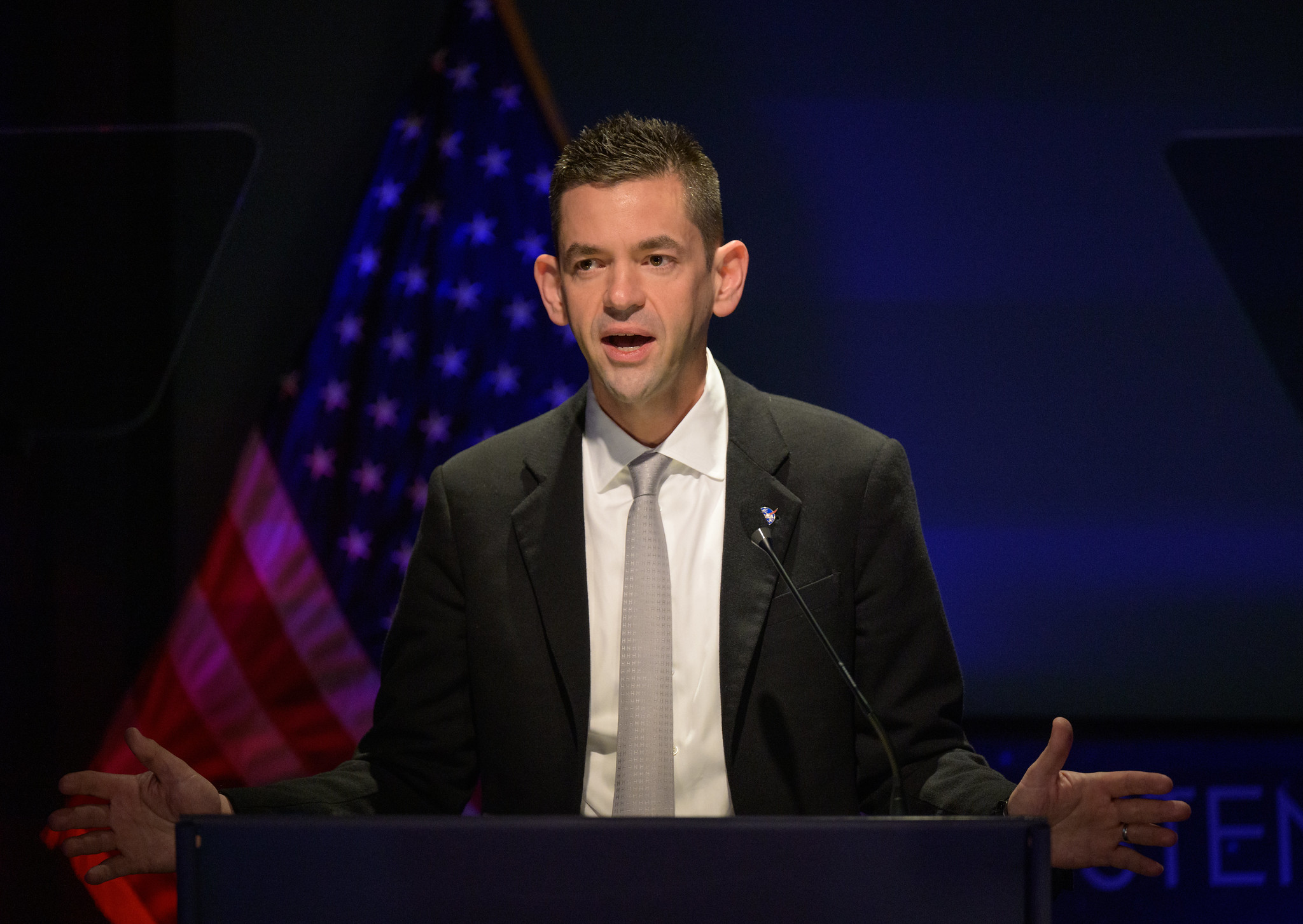
Credit: NASA/Bill Ingalls
Key Budget Proposal Points
The Trump administration's FY2027 NASA budget proposal includes:
- Overall budget cut of ~20%: from approximately $25 billion to around $20 billion
- Science programs hit hardest: Earth science, astrophysics, and planetary science face significant cuts
- Artemis program largely preserved: Lunar exploration receives relatively stable funding
- Space station operations restructured: ISS funding structure changes significantly
Isaacman's Defense
Isaacman told lawmakers that NASA had suffered from "inefficiencies" for years, with substantial funds going to management overhead rather than directly advancing missions. He pledged to streamline management and reduce redundant programs to achieve "more with less."
A former private astronaut who flew on SpaceX's Inspiration4 and Polaris Dawn missions, Isaacman emphasized the importance of commercial space partnerships, arguing commercial capabilities can reduce costs while accelerating exploration.
Congressional Response
Lawmakers from both parties expressed varying degrees of concern:
- Democratic members criticized the magnitude of cuts, warning of severe damage to American scientific leadership
- Some Republican members also expressed concern about cuts to specific programs, particularly those affecting employment in their states
- Scientific organizations issued statements warning that budget cuts would lead to mission cancellations, talent loss, and damage to international partnerships
Implications for Space Sector
If the budget proposal passes, potential impacts include:
- Multiple science missions under development face delays or cancellation
- Significant layoffs possible at NASA centers
- Cost-sharing arrangements with international partners (ESA, JAXA, etc.) affected
- Cislunar space science capabilities could regress by years