Artemis II Completes Lunar Flyby: Breaks Apollo 13 Distance Record at 406,771 km from Earth
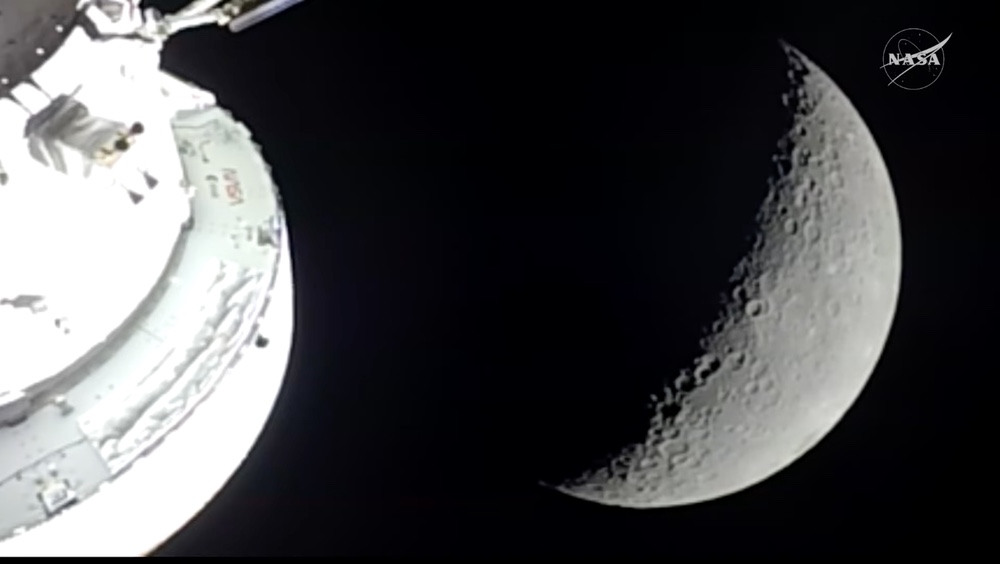
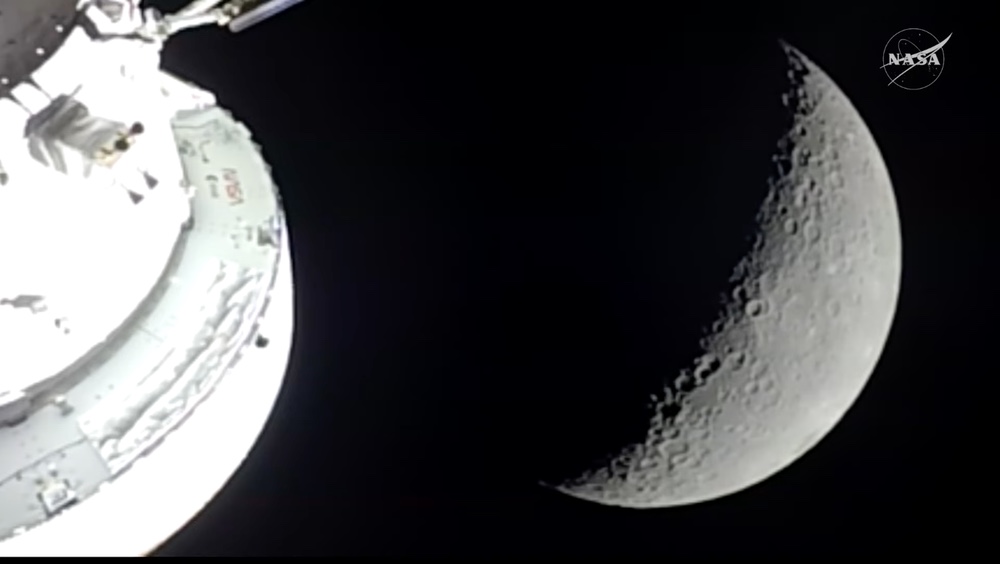
Summary: Artemis II reached its historic milestone as the four astronauts successfully completed the lunar flyby. Orion passed approximately 6,500 km above the Moon's far side, reaching a maximum distance of 406,771 km (252,757 miles) from Earth — surpassing the 400,171 km (248,655 miles) crewed spaceflight distance record set by Apollo 13 in 1970. During the flyby, the crew conducted lunar surface science observations, coronal observations, and experienced approximately 40 minutes of planned communications blackout.
Credit: NASA
Breaking a Half-Century Record
On April 6–7, Orion completed the mission's most critical milestone — the lunar flyby. During the maneuver, Orion reached a maximum distance of 406,771 km from Earth, breaking the crewed spaceflight distance record of 400,171 km set by the Apollo 13 crew in April 1970.
This record had stood for 56 years. Unlike Apollo 13, whose record was the accidental result of an emergency trajectory after the service module oxygen tank explosion, Artemis II's flyby was a planned orbital maneuver.
Flyby Details
Orion passed approximately 6,500 km (4,066 miles) above the Moon's far side at closest approach — far higher than the approximately 110 km (70 miles) of the Apollo missions. From this unique vantage point, the crew could observe the Moon's full disk simultaneously, including both polar regions.
The flyby lasted approximately six hours. When Orion passed behind the Moon, the mission experienced roughly 40 minutes of planned communications blackout as the Moon blocked radio signals between the spacecraft and the Deep Space Network.
Science Observations
The crew conducted several science activities during the flyby:
- Lunar Surface Observations: Using geology skills learned in pre-flight training, the crew photographed and described impact craters, ancient lava flows, surface fractures, and ridges, noting differences in color, brightness, and texture
- Solar Eclipse and Corona Observations: When Orion, the Moon, and the Sun aligned, the crew observed a solar eclipse from space — the Sun disappeared behind the Moon over approximately one hour, allowing coronal observations of the Sun's outermost atmosphere
- Meteoroid Impact Flashes: The crew attempted to observe flashes from meteoroids impacting the lunar surface
Return Journey
After completing the lunar flyby, Orion initiated return trajectory maneuvers. The crew is expected to splash down in the Pacific Ocean in the coming days, completing the approximately 10-day circumlunar mission.
The success of this mission marks the first time humans have returned to the vicinity of the Moon since Apollo 17 in 1972, laying a crucial foundation for the subsequent Artemis III crewed lunar landing.